
Image
24
Apr

Africa's built environment is changing fast. New hotels, hospitals, commercial towers, and industrial facilities are going up across the continent. Unfortunately, fire protection often lags behind the pace of construction, treated as a checkbox rather than a core design requirement.

That mindset is costly. For instance, fire losses in Kenya alone reached Ksh 1.14 billion in net insured claims as far back as 2015, and stricter audit requirements have followed. The regulatory environment across Africa is tightening, and building owners who do not take fire protection seriously are increasingly exposed to both legal liability and financial loss.

This guide covers everything a building owner, developer, or safety officer needs to understand: the types of fire protection systems available, how to design and install them for African conditions, what maintenance is required, and how to navigate the compliance landscape across the continent.

Understanding types of fire protection systems

Fire protection is not a single piece of equipment. It is a layered safety strategy that combines detection, suppression, and structural protection. Each layer plays a different role in controlling fire risks.

1.Water-based fire suppression systems

Water systems remain the most widely used fire protection solution worldwide.

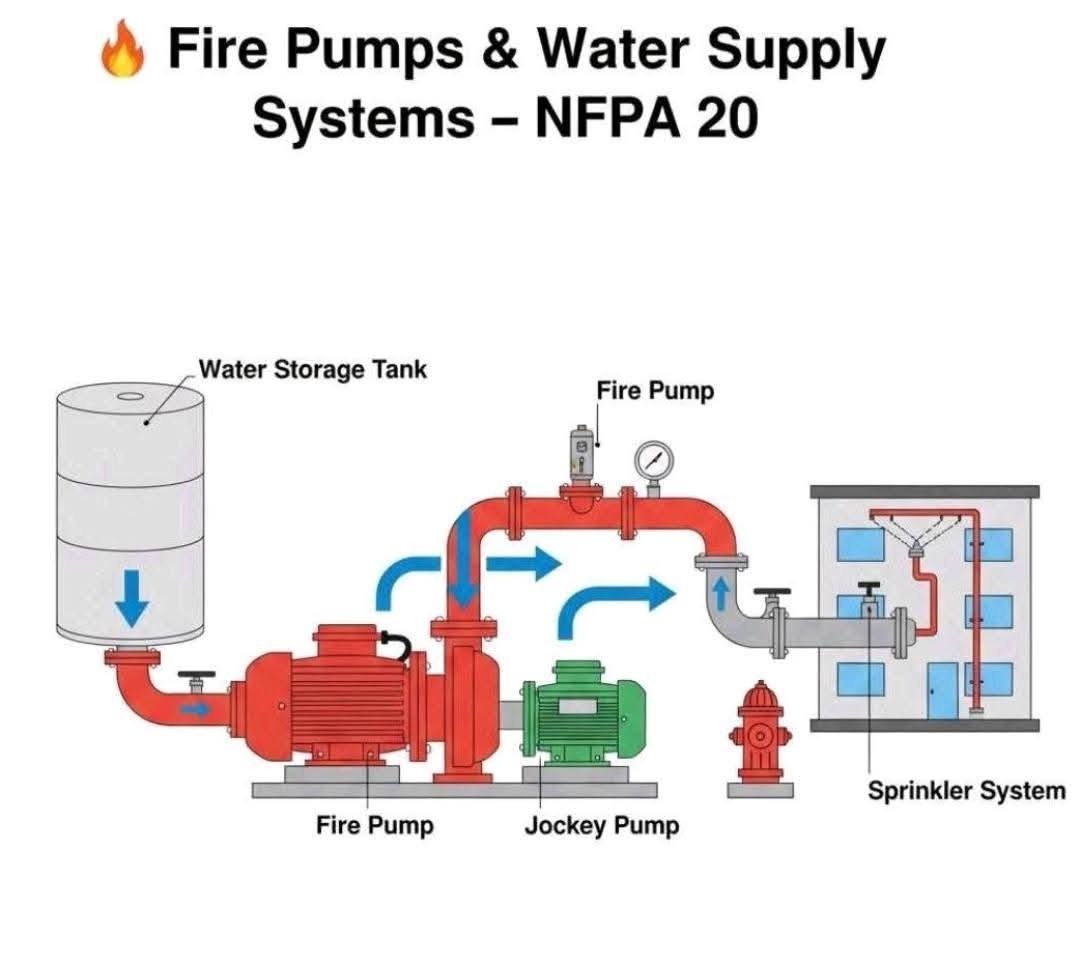
Automatic sprinkler systems detect heat and release water immediately when a fire begins. This helps suppress flames before they spread throughout a building.

Common water-based systems include:

  • Automatic sprinkler systems 
  • Fire hydrants 
  • Hose reels 
  • Standpipe systems 

These systems are reliable, relatively affordable, and effective for many building types.

For industrial facilities and warehouses, fire hydrant systems are often a minimum safety requirement.

2.Gaseous Fire suppression systems

Water is not always suitable. In environments with sensitive equipment, water discharge can cause significant damage.

Gaseous suppression systems solve this problem. These systems release special gases that suppress fires without leaving residue. In addition, they are commonly installed in data centers, telecom rooms, control panels, and archives.

Common examples include:

  • FM-200 systems – absorb heat and extinguish fire quickly 
  • Inert gas systems – reduce oxygen levels to stop combustion 
  • CO₂ systems – typically used in unmanned spaces like engine rooms or transformer rooms 

3.Fire detection and alarm systems

Detection systems are the first line of defense. They identify smoke or heat early and alert building occupants so evacuation can begin immediately.

Modern buildings use addressable fire alarm systems. These systems allow each detector to be monitored individually from a central control panel. This means safety teams can quickly identify the exact location of a fire.

Advanced buildings may also use aspirating smoke detection systems, which continuously analyze air samples for very early signs of smoke.

Early detection saves lives and reduces damage.

4.Passive fire protection

Passive protection focuses on slowing down fire spread rather than extinguishing it. These systems help maintain structural stability and provide more time for evacuation.

Examples include:

  • Fire-rated doors and walls 
  • Fire-resistant building materials 
  • Fire-stopping systems in walls and ceilings 

Passive fire protection is often overlooked in fast construction projects, but it is essential for overall building safety.

Installation best practices

Even the best fire protection design can fail if installation is poor. Professional installation ensures systems perform correctly during emergencies.

Key best practices include:

  • Using certified equipment from recognized manufacturers 
  • Following international installation standards 
  • Conducting factory testing for large systems 
  • Integrating fire alarms with building management systems 

Integration allows systems to automatically perform actions during a fire event. For instance:

  • Elevators return to the ground floor 
  • HVAC systems shut down to prevent smoke spread 
  • Emergency doors unlock for evacuation 

Maintenance requirements

Fire protection systems must be maintained regularly.

A system that has not been tested or serviced may fail during a real emergency. Routine maintenance typically includes:

  • Annual system inspection and servicing 
  • Weekly testing of diesel fire pumps 
  • Monthly checks of fire water tank levels 
  • Quarterly testing of alarm systems 

Maintenance records should always be documented and stored properly.

Insurance companies and safety regulators often review these records during audits.

Proper maintenance ensures the system is always ready to perform.

Fire protection compliance in Africa

Fire safety regulations vary across African countries. There is no single unified fire code for the entire continent. However, many countries reference international standards.

The most widely used standards include those developed by the National Fire Protection Association.

Common examples include:

  • NFPA 13 – sprinkler systems 
  • NFPA 72 – fire alarm systems 
  • NFPA 2001 – clean agent suppression systems 

Some countries also have their own national codes. For example, South Africa uses the SANS 10400-T fire safety code for buildings.

Across East African Community countries, newer standards are also emerging to improve regional fire safety regulations.

Understanding the relevant standards helps ensure buildings remain compliant and insurable.

Practical Recommendations for Building Owners

Fire protection should never be treated as an optional feature.

Building owners and safety officers can improve fire safety by following a few practical steps to reduce fire risks and ensure regulatory compliance.

  • Engage a qualified fire protection engineer during the design stage
  • Verify that all equipment is certified and approved
  • Establish a maintenance contract after installation
  • Keep inspection and service records organized
  • Understand the fire safety standards that apply to your building

Conclusion

Fire protection systems are essential for modern buildings across Africa.

With rapid urban development and increasing property values, protecting people and infrastructure has never been more important.

Properly designed systems detect fires early, control damage, and support safe evacuation.

By following recognized standards and working with experienced engineers, building owners can create safer environments and protect their investments.

At Certitude Engineering, we support projects across Africa with fire protection design, installation oversight, and compliance management tailored to local conditions.

Investing in fire protection today protects both lives and assets tomorrow.
Image
10
Apr

Africa is industrializing fast. New manufacturing plants, assembly facilities, and processing units are appearing across Rwanda, Kenya, Nigeria, South Africa, and beyond. However, building a factory is one thing. Powering it safely, legally, and efficiently is another challenge entirely.

This guide breaks down everything you need to know about industrial electrical design in Africa. From the regulatory requirements set by Rwanda's RURA authority to transformer sizing and switchgear selection in tropical climates, we cover it all in plain language.

Whether you are a facility manager, manufacturing engineer, or project owner, this is the baseline knowledge that will keep your project on track and your operations safe.

Why industrial electrical design in Africa is different

Industrial electrical design follows universal engineering principles. However, Africa introduces a set of variables that can trip up engineers who rely purely on international textbook knowledge.

Altitude matters. Kigali, Rwanda sits at approximately 1,200 meters above sea level. At that height, air is less dense, which changes how electrical equipment behaves. Heat dissipation is slower. Insulation performs differently. And transformer and switchgear ratings that work perfectly at sea level may underperform at altitude without proper derating.

Climate matters too. Humidity across much of Sub-Saharan Africa regularly exceeds 70% relative humidity. That affects insulation breakdown, accelerates corrosion, and increases the risk of flashover in poorly specified equipment.

Then there is the regulatory environment. Each country has its own framework, its own standards bodies, and its own permit requirements. Understanding these requirements before you break ground is not optional. It is the difference between a smooth commissioning process and a facility stuck in regulatory limbo.

The RURA Regulatory Framework in Rwanda

In Rwanda, industrial electrical installations are governed by Rwanda Utilities Regulatory Authority (RURA), specifically under Regulations 002/EL/ENERGY/RURA/2012 on Electrical Installations.

RURA classifies industrial electrical work into permit categories, understanding which class applies to your project is the first step in the compliance process. 

(image)

RURA only issues permit to qualified professionals. The minimum requirement is a University Degree in Electrical Engineering, or A2/A3 level technicians with at least three years of verified experience.

Beyond the permit, two Rwanda Standards apply directly to industrial installations: 

  • RS 565-1:2011 covers low-voltage electrical installations
  • RS 474-1:2011 governs power installations above 1kV

Pan-African safety standards: The AFSEC framework

Beyond Rwanda, the broader African electrical standards landscape is coordinated by the African Electrotechnical Standardization Commission (AFSEC). AFSEC serves as the regional body for harmonizing electrical standards across African Union member states.

AFSEC formally adopts and localizes key IEC standards. For industrial facilities, the most relevant are:

  • IEC 60364 covers the wiring of buildings and forms the foundation for most national industrial wiring codes across Africa
  • IEC 60079 governs electrical equipment in explosive atmospheres, critical for petroleum, mining, and chemical manufacturing
  • IEC 61439 sets requirements for low-voltage switchgear and control gear assemblies

In practice, many engineers also reference SANS 10142-1, South Africa’s wiring code, because it provides detailed guidance for industrial installations. 

Designing systems according to IEC and AFSEC standards generally satisfies most national inspection requirements.

Transformer sizing for industrial facilities

Transformer selection is one of the most consequential decisions in an industrial electrical design. Get it right and your facility has reliable, appropriately sized power. Get it wrong and you face thermal failures, voltage instability, and costly replacements

Transformers are the bridge between the utility grid and the electrical equipment inside a factory. They step down high-voltage electricity from the grid to usable levels for machinery, lighting, and control systems. Because industrial facilities consume large and variable amounts of power, the transformer must be carefully sized. 

An undersized transformer overheats and fails early, while an oversized one increases installation costs and energy losses. Proper sizing ensures stable voltage, reliable power supply, and room for future expansion.

Therefore, Rwanda Energy Group (REG) reticulation standards recommend building a 20 to 25% future expansion margin into transformer sizing for industrial facilities

Switchgear selection for African conditions

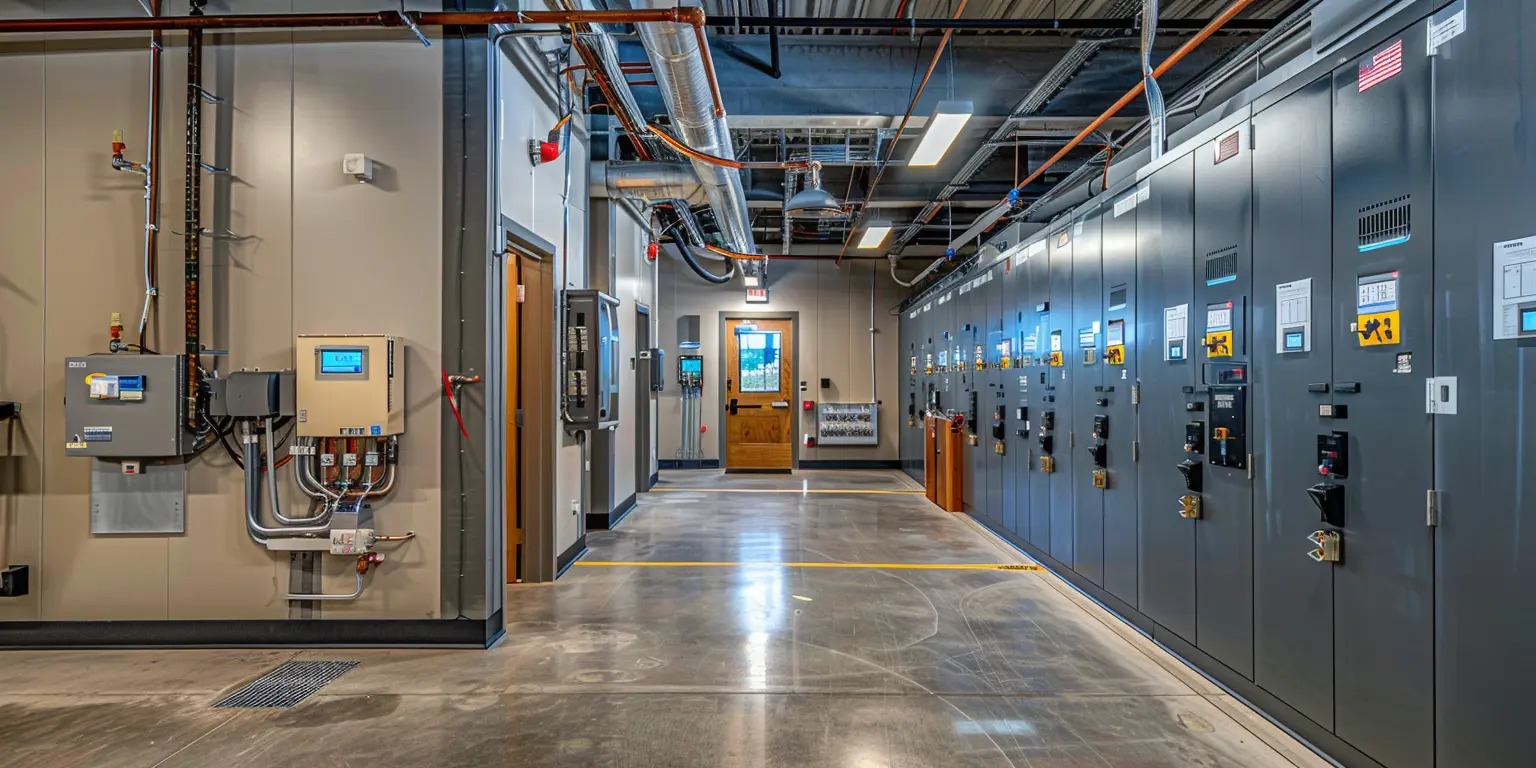
Switchgear acts as the control and protection center of an industrial electrical system. It distributes electricity safely across the facility while isolating faults when problems occur. If a short circuit, overload, or equipment failure happens, switchgear automatically disconnects the affected section to protect the rest of the system. 

In African industrial environments where humidity, dust, and high temperatures are common, switchgear must be properly specified and protected to ensure reliable operation and long service life.

Compliance documentation

Electrical projects require proper documentation before commissioning.

In Rwanda, several documents must be submitted to the Rwanda Utilities Regulatory Authority.

These typically include:

  • RURA installation permit 
  • Certificate of completion from a licensed engineer 
  • Inspection and testing reports 
  • As-built drawings reflecting the final installation
  • Environmental Impact Assessment for large-scale plants 

Large projects may also require an Environmental Impact Assessment (EIA) approved by Rwanda Environment Management Authority (REMA).

Practical recommendations for Facility Managers

Industrial electrical design in Africa requires careful planning. You better understand the specific regulatory, environmental, and operational context of your location and designing accordingly.

Start the regulatory process early before you finalize your project schedule. Permit approvals can affect project timelines.

Always verify altitude and temperature corrections when specifying equipment. Your project scope of work should explicitly require documentation of derating calculations for the specific installation location.

Use tropicalized electrical equipment designed for high humidity environments. There is a cost premium, but it is far smaller than the cost of equipment failure, unplanned downtime, or a catastrophic flashover in your switch room.

Maintain organized documentation for inspections and compliance reviews. Having your permits, test reports, and as-built drawings in order is the mark of a professionally managed project.

Finally, design systems with future expansion in mind. Industrial facilities often grow faster than expected. The facility you commission today may need to double its electrical capacity within five years.

Final thought

Industrial electrical design in Africa demands more than technical competence. It demands local knowledge. The interplay of altitude, humidity, regulatory frameworks, and evolving industrial loads creates a unique set of challenges that reward careful, experienced design and penalize shortcuts.

Whether you are building a new manufacturing plant in Kigali, expanding a processing facility in Nairobi, or commissioning a production line in Lagos, the fundamentals are the same. Understand the standards. Respect the environment. Document everything. And work with engineers who know the African context from the ground up.


At Certitude Engineering, we bring that local knowledge to every project. Our team understands Rwanda's RURA requirements, AFSEC standards, and the engineering realities of designing for Africa's unique climate and infrastructure landscape. Get in touch to discuss how we can support your next industrial electrical project.

Image
27
Mar
ENERGY AUDIT SERVICES IN RWANDA: WHAT YOU NEED TO KNOW

March 27, 2026

Energy is one of the biggest operational costs in any building, yet a large portion of it is often wasted without notice. Across Rwanda and the wider African market, many facilities operate with hidden inefficiencies that quietly increase monthly expenses.

This is where energy audit services become essential. They don’t just analyze energy use, they reveal opportunities to cut costs, improve performance, and make smarter decisions.

What is an Energy Audit?

An energy audit is a structured evaluation of how energy flows through a building. It identifies where energy is being used efficiently and where it is not.

Think of it as a diagnostic tool. Instead of guessing why your energy bills are high, an audit gives you clear, data-backed answers, and practical solutions.

Why it matters: Benefits and ROI

The value of an energy audit goes beyond technical insights. It directly impacts your bottom line and long-term building performance.

Many organizations experience:

  • Noticeable reductions in energy bills, often between 10–30%
  • More reliable performance of systems like HVAC and lighting
  • Lower maintenance costs due to reduced system strain

At the same time, energy efficiency strengthens sustainability efforts and prepares buildings for evolving regulations. What makes it even more compelling is the speed of return many improvements recover their cost within a short period.

How the Audit process works

An effective energy audit follows a clear and professional structure. It typically begins with reviewing past energy data to understand usage patterns, followed by a detailed site inspection.

During the process, auditors:

  • Examine lighting, cooling systems, and electrical installations
  • Measure real-time energy consumption
  • Analyze performance gaps and inefficiencies

The outcome is a practical report that outlines where energy is being lost and what actions will deliver the most impact.

What Energy Audits commonly reveal

In many buildings across Rwanda, the same issues tend to appear repeatedly. These are not always complex problems, but they are costly if ignored.

For example, audits often uncover outdated lighting systems that consume more power than necessary, or HVAC systems running longer than required. In other cases, equipment operates even when buildings are not fully in use, or poor insulation allows energy to escape.

Most energy losses are preventable once they are visible.

Turning insights into action

An audit alone does not save energy, implementation does. The real value comes from acting on the findings in a structured way.

The most effective approach is to start small and scale:

  • Begin with low-cost improvements such as optimizing schedules or upgrading lighting
  • Develop a clear plan with timelines and responsibilities
  • Monitor energy performance to track real savings

Over time, this creates a culture of efficiency where energy is actively managed rather than passively consumed.

Cost considerations

The cost of energy audit services in Africa depends on factors like building size, complexity, and the level of detail required. While this may seem like an upfront expense, it is important to view it strategically.

In reality, the bigger cost lies in ongoing inefficiencies. Buildings that delay audits often spend far more on wasted energy than they would on identifying and fixing the problem.

Final thought

Energy efficiency is no longer a luxury; it is a necessity for modern buildings.

Energy audit services provide a clear, practical starting point for reducing costs, improving performance, and building long-term sustainability.

For facility managers and building owners in Rwanda, the opportunity is simple:
Understand your energy use today, or keep paying for inefficiencies tomorrow.

Image
13
Mar
HEALTH CARE MEP COMPLIANCE GUIDE FOR AFRICAN HOSPITALS

March 13, 2026

Why healthcare MEP compliance matters in African hospitals

When you walk through the doors of a hospital, you trust that the lights will stay on, the air will be clean, and the life-saving equipment will work instantly. But behind the walls, a complex network of systems is working to make that trust possible.

Hospitals are among the most complex buildings to design and operate. Behind every operating room, patient ward, and laboratory lies a network of Mechanical, Electrical, and Plumbing (MEP) systems that must function flawlessly 24/7. In Africa, where healthcare infrastructure is expanding rapidly, ensuring MEP compliance in hospital facilities is critical for patient safety, operational continuity, and regulatory approval.

Modern healthcare facilities rely heavily on reliable hospital electrical systems in Africa, specialized HVAC solutions, medical gas systems, and sanitary plumbing infrastructure. When these systems are poorly designed or fail to meet compliance standards, the consequences can be severe: equipment failure, infection risks, operational disruptions, and even life-threatening emergencies.

For healthcare developers, hospital administrators, and project consultants, understanding MEP compliance requirements for hospitals in Africa is no longer optional - it is essential.

This guide explores the core components of healthcare MEP systems, key compliance requirements, and a practical checklist to ensure your hospital infrastructure meets international standards.

Healthcare MEP requirements for hospitals

Hospitals operate continuously and support highly sensitive medical activities such as surgery, diagnostics, intensive care, and emergency treatment. Because of this, MEP systems must be designed with reliability, hygiene, and redundancy in mind.

Healthcare engineering systems must support different departments with specific environmental conditions. For example, operating theatres require sterile environments, while laboratories demand specialized ventilation and plumbing systems.

Some of the essential healthcare MEP requirements include:

  • Continuous power supply for medical equipment
  • Controlled ventilation systems for sterile environments
  • Safe and hygienic plumbing systems
  • Reliable medical gas distribution networks
  • Backup systems for critical infrastructure

These requirements ensure hospitals operate efficiently while maintaining strict safety standards. As healthcare infrastructure continues to grow, developers must prioritize resilient hospital electrical systems in Africa to support expanding medical services.

Regulatory standards for healthcare infrastructure

Healthcare buildings must comply with strict regulatory frameworks that govern safety, engineering performance, and infection control. These standards ensure hospitals provide safe environments for patients, medical staff, and visitors.

Across Africa, hospital projects often follow a combination of national construction codes and international healthcare engineering guidelines. Compliance ensures that critical infrastructure performs reliably even in high-risk medical environments.

Key areas covered by healthcare engineering regulations include:

  • Electrical safety and backup power systems
  • Ventilation and air quality requirements
  • Medical gas installation standards
  • Sanitation and plumbing regulations
  • Fire protection and emergency systems

Meeting these regulatory requirements is essential not only for legal approval but also for maintaining hospital accreditation and patient safety. Engineering teams must therefore integrate compliance into the design process from the very beginning of a healthcare project.

Medical gas systems in hospitals

Medical gas systems are a critical component of hospital infrastructure. These systems safely deliver life-supporting gases used in surgical procedures, intensive care, and emergency treatment.

Hospitals typically rely on centralized gas distribution networks connected to bulk storage systems and backup cylinders. These networks distribute gases through specialized pipelines installed throughout the building.

Common medical gases used in hospitals include:

  • Oxygen for respiratory support
  • Nitrous oxide for anesthesia
  • Medical air for ventilators and respiratory therapy
  • Vacuum systems for surgical suction

Because these gases are essential for patient survival, the infrastructure must include advanced monitoring and safety features. These include pressure monitoring devices, alarm systems, and redundant supply sources to ensure continuous availability.

Therefore, proper design and installation of medical gas systems help prevent leaks, contamination, and operational disruptions.

HVAC systems for infection control

Air quality plays a major role in infection prevention within healthcare facilities. Proper HVAC systems help control airborne pathogens and maintain sterile clinical environments.

Hospital ventilation systems regulate airflow, humidity, and filtration levels to reduce the spread of infectious diseases.

Key HVAC features commonly used in hospitals include:

  • High-efficiency particulate air (HEPA) filtration
  • Positive pressure ventilation in operating theatres
  • Negative pressure rooms for infectious disease isolation
  • Temperature and humidity control for clinical areas

Operating theatres require positive pressure environments to prevent contaminated air from entering sterile spaces. On the other hand, isolation wards require negative pressure ventilation to contain airborne pathogens.

By integrating these HVAC strategies, hospitals can significantly reduce hospital-acquired infections and create safer environments for patients and healthcare workers.

Electrical redundancy in hospitals

Electricity is the backbone of modern healthcare infrastructure. Nearly every medical process depends on electrical systems, from imaging equipment to intensive care life-support machines.

However, many regions still experience unstable power supply. This makes electrical redundancy a critical design requirement for healthcare facilities.

Reliable hospital electrical systems in Africa typically incorporate several layers of backup power infrastructure, including:

  • Utility grid power supply
  • Backup diesel generators
  • Uninterruptible Power Supply (UPS) systems
  • Automatic transfer switches for seamless power transition

UPS systems provide immediate electricity to critical equipment while backup generators start operating. This prevents sudden interruptions that could endanger patients during medical procedures.

Designing robust electrical infrastructure ensures hospitals remain operational even during unexpected power outages.

Healthcare MEP compliance checklist

Before commissioning a hospital facility, project teams must verify that all engineering systems meet healthcare compliance standards. A structured compliance review helps ensure safety, reliability, and regulatory approval.

A typical healthcare MEP compliance checklist should confirm that the following systems are properly implemented:

Electrical systems

Reliable electricity is essential for all hospital operations, especially for life-support equipment and critical care units. A proper electrical compliance review should ensure that:

  • Backup generators are installed and regularly tested
  • Uninterruptible Power Supply (UPS) systems support critical medical equipment
  • Proper electrical grounding and surge protection are in place
  • Redundant power supply connections are available
  • Automatic transfer switches ensure seamless transition during power outages

Mechanical systems

Mechanical systems, particularly HVAC infrastructure, must maintain proper air quality and environmental control throughout the facility. The compliance review should confirm that:

  • Air filtration systems meet healthcare ventilation standards
  • Operating rooms maintain controlled airflow and sterile environments
  • Isolation wards have pressure-controlled ventilation systems
  • Temperature and humidity levels are properly regulated

Medical gas systems

Medical gas infrastructure must be installed according to strict healthcare engineering standards to ensure patient safety. Compliance verification should confirm that:

  • Centralized oxygen supply systems are properly installed
  • Medical gas pipelines are clearly labeled and certified
  • Alarm and pressure monitoring systems are functioning
  • Backup gas cylinder storage is available for emergencies

Plumbing systems

Healthcare plumbing systems must ensure safe water supply and proper sanitation across all departments. Compliance checks should include:

  • Hygienic water distribution systems
  • Proper wastewater and drainage systems
  • Infection-control drainage infrastructure for laboratories and surgical areas
  • Safe disposal systems for contaminated water and medical waste

Fire protection systems

Hospitals must also be equipped with advanced fire protection systems to protect patients, staff, and critical medical equipment. Fire safety infrastructure is particularly important because hospitals contain oxygen systems, electrical equipment, and vulnerable patients who may not be able to evacuate quickly.

A fire protection compliance review should confirm that:

  • Automatic fire detection and alarm systems are installed
  • Fire sprinkler systems are operational in critical areas
  • Fire extinguishers are strategically placed throughout the facility
  • Emergency exit routes and evacuation signage are clearly marked
  • Smoke control and fire compartmentation systems are implemented

Completing a thorough compliance review helps healthcare facilities meet both operational and regulatory requirements before opening their doors.

Final thoughts

Hospitals represent one of the most complex types of buildings in modern infrastructure. Every system from ventilation to electrical supply must function perfectly to support medical care and patient safety.

Across the continent, the demand for reliable healthcare infrastructure continues to grow. Designing compliant MEP systems, including resilient hospital electrical systems in Africa, is essential for building hospitals that are safe, efficient, and capable of delivering high-quality medical services.

For healthcare developers and hospital administrators, investing in proper engineering design today ensures facilities remain reliable, compliant, and future-ready for the growing healthcare needs of Africa.


Image
06
Mar
THE COMPLETE GUIDE TO CHOOSING AN MEP CONTRACTOR IN AFRICA

March 6, 2026

Africa’s construction industry is expanding at an unprecedented pace. 

Across the continent, cities are experiencing rapid growth in residential developments, commercial towers, mixed-use complexes, industrial facilities, and modern infrastructure.

While architecture and structural design often receive the most attention during project planning, the Mechanical, Electrical, and Plumbing (MEP) systems are what ultimately determine whether a building operates efficiently, safely, and sustainably.

In many modern developments, MEP systems represent 30–40% of the total construction cost, and they influence a much larger portion of the building’s operational costs throughout its lifecycle.

For developers, investors, and building owners, selecting the right MEP contractor in Africa is therefore one of the most critical decisions in a project. The right partner helps safeguard timelines, optimize building performance, and reduce long-term operational costs. The wrong one can led to coordination conflicts, construction delays, and expensive redesigns.

This guide highlights how to identify and choose the right contractor for your project.

Why MEP systems matter more than ever

Modern buildings are far more complex than they were even a decade ago. Today’s developments integrate sophisticated ventilation systems, energy-efficient electrical infrastructure, intelligent lighting controls, backup power systems, and advanced fire protection technologies.

MEP systems typically include:

 A. Mechanical systems

  • Heating, ventilation, and air conditioning (HVAC)
  • Cooling systems and air distribution
  • Ventilation and air quality control

    B. Electrical systems

  • Power generation and distribution
  • Lighting infrastructure
  • Backup power systems and generators
  • Communication and data networks

    C. Plumbing systems

  • Water supply and distribution
  • Drainage systems
  • Fire protection systems
  • Wastewater management

When these systems are poorly planned or introduced too late in the project lifecycle, coordination problems quickly appear. Ducts may clash with structural beams, electrical pathways may lack space, and plumbing routes may interfere with architectural layouts.

However, when MEP planning is integrated early, the results are significantly better. Buildings benefit from improved efficiency, reduced operational costs, and smoother construction workflows.

Understanding the role of an MEP contractor

An MEP contractor is responsible for the design coordination, installation, and commissioning of the systems that make a building functional.

Their responsibilities typically include:

  • Coordinating engineering systems with architectural and structural designs
  • Installing HVAC, electrical, and plumbing infrastructure
  • Ensuring compliance with safety and regulatory standards
  • Testing and commissioning building systems before handover
  • Supporting maintenance planning and operational readiness

Because MEP systems interact with almost every component of a building, contractors must work closely with architects, structural engineers, and project managers to ensure that technical systems are properly integrated.

This level of coordination is essential to maintain construction efficiency and technical reliability.

Key qualifications to look for in an MEP contractor

Choosing the right MEP contractor requires looking beyond price and focusing on technical capability, experience, and coordination skills. A reliable contractor should have strong engineering expertise, proven experience in similar projects, and the ability to coordinate early with architects and structural engineers.

The most qualified contractors typically demonstrate:

  • Strong engineering expertise with skilled mechanical and electrical professionals
  • Proven experience in similar building projects and sectors
  • Early design coordination with architects and project teams
  • Knowledge of local construction regulations and safety standards
  • Strong project management systems to control timelines and resources

A contractor who combines these capabilities is more likely to deliver a project that is efficient, compliant, and built to perform over the long term.

Questions developers should ask before hiring

Before selecting an MEP contractor, developers and project managers should conduct a thorough evaluation process.

One of the first questions to ask is about previous project experience. Reviewing a contractor’s portfolio provides valuable insight into their technical capability and reliability. It is particularly useful to examine projects similar in scale and complexity to your own.

Developers should also ask how the contractor approaches design coordination. Strong contractors typically perform coordination drawings and work closely with architects and engineers to identify potential clashes early in the design process.

Quality assurance is another key area to investigate. MEP systems must undergo rigorous inspection, testing, and commissioning before they become operational. Contractors should have clear procedures for verifying installation quality and ensuring that equipment performs as intended.

Energy efficiency has also become a major concern in modern construction. With energy costs rising across many African cities, developers benefit from contractors who prioritize efficient system design and smart building technologies.

Finally, maintenance planning should be discussed before construction even begins. MEP systems require regular servicing throughout the life of the building. Contractors that provide operation manuals, training, and maintenance support deliver long-term value to building owners.

Warning signs to avoid when selecting an MEP contractor

Selecting the wrong contractor can introduce serious risks to your project. Some warning signs should immediately raise concerns during the evaluation process.

Be cautious if a contractor shows:

  • Unusually low pricing that may indicate compromised quality or incomplete scope
  • Lack of detailed technical proposals or documentation
  • Limited internal engineering expertise or heavy reliance on subcontractors
  • Weak safety standards or unclear safety procedures

Ignoring these red flags can lead to delays, technical conflicts, and costly corrections during construction.

The long-term value of choosing the right partner

Selecting the right MEP contractor extends far beyond the construction phase.

Well-designed and professionally installed systems deliver long-term benefits such as:

  • Lower operational energy costs
  • Improved indoor comfort and air quality
  • Reduced maintenance requirements
  • Increased building lifespan
  • Higher property value

Conversely, poorly executed MEP installations often lead to persistent maintenance issues, high energy consumption, and system failures. These challenges can undermine even the most architecturally impressive developments.

In rapidly growing African cities, where developers are competing to deliver high-quality buildings, the reliability of engineering systems has become a major differentiator.

Final thoughts

Choosing the right MEP contractor is not simply about completing construction, it is about ensuring that your building functions efficiently for decades.

Well-designed and properly installed systems lead to:

  • Lower energy and operational costs
  • Improved occupant comfort and building performance
  • Reduced maintenance issues
  • Increased long-term property value

For developers and investors, selecting an experienced MEP partner is a strategic decision that protects both project timelines and long-term returns.


Image
20
Feb
SMART HOMES BUILDING

February 20, 2026

What makes a building truly smart?

The term smart building is everywhere. Developers use it. Homeowners want it. Investors prioritize it.

But what truly makes a building smart?

  • It is not just automation.
  • It is not just motion sensor.
  • It is not just mobile apps controlling lights.

A truly smart building begins with intelligent engineering integration.

Smart means integrated

A building becomes smart when its Mechanical, Electrical, and Plumbing (MEP) systems are designed to communicate, coordinate, and perform efficiently together.

This includes:

  • Electrical systems designed to handle automation loads
  • HVAC systems optimized for zoning and energy efficiency
  • Plumbing systems engineered to reduce water waste
  • Lighting systems integrated with occupancy and daylight sensors
  • Infrastructure prepared for future upgrades

Without integration, smart devices become isolated features instead of a cohesive system.

Smart design starts at the concept stage

One of the biggest mistakes in construction is introducing smart features after structural and MEP systems are already defined.

This leads to:

  • Costly redesign
  • System incompatibility
  • Limited scalability
  • Reduced performance

At Certitude Engineering, we embed smart functionality from the earliest design stages. Our integrated MEP coordination ensures that intelligence is built into the structure, not added later.

The real value of a smart building

When properly engineered, a smart building deliver:

  • Reduced operational costs
  • Enhanced occupant comfort
  • Optimized energy consumption
  • Increased property value
  • Long-term system durability

A building is truly smart when it performs efficiently, adapts to user needs, and remains future-ready.

At Certitude Engineering, we engineer intelligence, not just installations.

Image
12
Feb
WHY EARLY MEP INVOLVEMENT CUTS CONSTRUCTION DELAYS BY 20–30%?

February 12, 2026

Construction delays rarely explode overnight.
Why early MEP involvement cuts project delays by 30%

Construction delays rarely arrive with a bang. They creep in quietly; one uncoordinated pipe, one undersized shaft, or one out of stock cooler at a time. By the time a site supervisor realizes the ceiling won’t close, the delay has already been designed into the project months prior.

At Certitude Engineering, we’ve observed a consistent pattern; early MEP involvement doesn’t just help the build; it protects the schedule. Research across the industry shows that engaging MEP experts during the concept stage reduces schedule overruns by 20–30%.

Here is how designing out friction saves your project's most valuable asset: Time.

MEP is the density king of your building

Mechanical, Electrical, and Plumbing systems are the most intrusive elements of a structure. They don't just sit in a room; they breathe through the walls, floors, and ceilings.

When MEP is an afterthought, coordination becomes a negotiation. You end up fighting over inches in a service corridor or rerouting ductwork around a structural beam.

Most delays are design problems wearing construction clothes

Installers rarely cause major project delays.

In reality, most delays originate from design-stage weaknesses that surface during construction, late revisions, unclear service routing, incomplete coordination drawings, misaligned equipment lead times, and poorly defined technical specifications.

These issues are not site failures. They are design gaps revealed too late.

At Certitude Engineering, our coordinated MEP engineering approach aligns procurement schedules, installation sequencing, access clearances, and commissioning timelines from the beginning.

The construction site becomes a place of execution not improvisation.

The silent schedule multiplier

Rework is where time quietly disappears.

When MEP is introduced late, ceilings are reopened, walls are rebuilt, ducts are rerouted, cable trays are relocated, and plumbing systems are modified.

Each correction may seem small. Together, they accumulate into months of delay.

Early MEP coordination ensures systems fit the first time. Discipline interfaces are resolved digitally, and changes happen on drawings not in concrete.

Nothing protects a project schedule more effectively than eliminating rework before it begins.

Procurement depends on early technical decisions

Modern buildings rely heavily on specialized equipment, such as transformers, generators, Automatic Transfer Switches (ATS), coolers, HVAC systems, pumps, fire protection systems, and control panels.

These systems often have long manufacturing lead times.

Without early MEP engineering input, equipment orders are delayed, temporary solutions disrupt sequencing, and handover dates shift.

With early involvement, procurement becomes proactive rather than reactive. Lead times are built into the program, specifications are finalized early, and technical approvals move smoothly.

In construction, time lost waiting for equipment is rarely recoverable.

Supervision begins before construction

Effective MEP supervision does not begin when installation starts.

It begins during design development by reviewing constructability, aligning specifications with local market availability, anticipating installation constraints, and reducing RFIs before they exist.

This front-loaded approach removes uncertainty from the schedule and improves site productivity.

The fewer technical questions raised during construction, the faster progress flows.

Commissioning and energy performance stay on track

Late MEP engagement compresses testing and commissioning into unrealistic timeframes.

The result is predictable:

  • Incomplete system testing
  • Poor HVAC balancing
  • Electrical instability
  • Delayed occupancy
  • Operational inefficiencies

Early MEP involvement protects commissioning time by:

  • Designing systems that are easier to test
  • Sequencing installations logically
  • Allowing proper balancing and optimization
  • Supporting energy-efficient building performance

A building is only complete when it performs as designed.

Why early MEP is a strategic advantage

Projects that engage professional MEP consultants early consistently experience:

  • Shorter construction durations
  • Fewer change orders
  • Reduced construction risk
  • Better cost predictability
  • Stronger coordination between disciplines

    Improved long-term building performance

Early MEP involvement is not an added cost.

It is schedule insurance.

At Certitude Engineering, we are often called to resolve construction delays. But the most valuable projects are the ones where delays never occur  because coordination began early.

Final thought

Delays do not start on site.

They start when critical technical expertise is absent during early decisions.

Early MEP engineering does not artificially speed up construction.
It removes friction from it.

And in construction, removing friction is the fastest way forward.

Why Partner with Certitude Engineering?

At Certitude Engineering, we don’t just fix delays, we prevent them. By integrating MEP supervision into the earliest stages of design, we reduce RFIs (Requests for Information) and ensure that commissioning isn't squeezed into an impossible timeline at the end of the project.

Early MEP engagement isn't an added cost; it’s your project’s schedule insurance policy.

Image
06
Feb
THE HIDDEN COST OF EARLY MEP HIRING DECISION

February 6, 2026

The most expensive projects are rarely overbuilt; they are misunderstood from the very beginning.

Overview

In construction projects, hiring decisions often seem straightforward: secure a skilled contractor and the project will be completed successfully. Yet, experience shows that some of the costliest projects are not the result of hiring the wrong people, they stem from hiring the right people for the wrong role, particularly in MEP (Mechanical, Electrical, Plumbing) works. Misunderstanding the distinction between design and construction is not merely a technical issue; it is a financial one. The true cost often only becomes apparent years after project completion.

Project background

A mid-sized commercial building project was developed with a strong emphasis on speed to market with the budget of $25 thousands. The client prioritized speed, hiring a reputable MEP contractor early in the process while the detailed MEP design was still incomplete. The assumption was that a competent contractor could resolve design decisions on the fly, ensuring efficient installation.

Initial MEP hiring sequence:

  1. Architect
  2. Structural Engineer
  3. Contractor
  4. MEP Services (somewhere in between)

By the time MEP teams were fully engaged, the building’s shape, height, and budget had already been largely defined. Decisions made at this stage constrained flexibility and set a trajectory for inefficiency.

Key issues observed

 a. Misaligned roles 

  • designers prioritize system performance, energy efficiency, and long-term operational reliability. MEP constructors, on the other hand, focus on material logistics, sequencing, and timely execution.
  • When contractors were left to finalize design decisions, compromises were made to meet schedules, often at the expense of performance and efficiency.

b. Incremental, hidden costs

  • Oversized equipment installed “just to be safe”
  • Routing adjustments made on-site without proper performance review
  • Efficiency measures sacrificed for speed
  • Maintenance access compromised

These decisions seemed minor. Collectively, they led to a building with higher construction costs, elevated operational expenses, and increased long-term maintenance requirements.

Financial impact

By the end of construction, the project exceeded its budget by 8%, largely due to last-minute design adjustments and material substitutions. Energy audits conducted one-year post-handover revealed:

  • Systems operating 20–30% below expected efficiency
  • Controls never fully commissioned
  • Value-engineered features removed to save upfront costs
  • Operational costs exceeding projections year after year

These inefficiencies were not due to contractor incompetence or design flaws alone, they reflected the consequence of early misaligned hiring and role misunderstanding.

Lessons learned

Early MEP hiring decisions have far-reaching consequences beyond construction completion. Misaligned roles between design and construction can quietly escalate costs, reduce efficiency, and create long-term operational challenges. Projects that prioritize the right sequence of hiring and supervision save both money and headaches. Key lessons include:

  • MEP supervision is a financial control mechanism, not an overhead
  • Early design clarity reduces downstream change and inefficiency
  • Smart hiring sequence matters from Design → Construction → Supervision → Verification
  • Treating design, construction, and operations as separate increases risk prevents financial gaps
  • Energy audits reveal the quality of early decisions

Conclusion 

Hiring the wrong partner can be risky, but hiring the right partner without understanding their role is often costlier. The financial impact rarely appears as a single invoice; instead, it accumulates over years of inefficiency, rework, and operational strain.

At Certitude Engineering, our integrated MEP services help clients make informed decisions in the correct sequence: designconstructionsupervision, and verification to prevent costly mistakes and protect long-term value.

Image
29
Jan
MEP DESIGN VS MEP CONSTRUCTION

January 29, 2026

Why many building services failures are decided long before construction begins

MEP design is silent but permanent. It defines system capacity, energy performance, and operational complexity long before the first pipe is installed. When design decisions miss real-world constraints, buildings don’t fail dramatically, they underperform quietly for years.

MEP construction, on the other hand, is where drawings face gravity, space, and sequencing. Installation issues are visible and urgent, but many are simply design assumptions meeting reality.

The real danger emerges when design responsibility, construction execution, and supervision blur. In those moments, accountability weakens, shortcuts multiply, and long-term performance suffers. Additionally, energy audits repeatedly confirm this truth: buildings underperform not because of bad equipment, but because design intent was lost during construction.

MEP Design: Where risk is quietly locked in

MEP design rarely attracts attention on a project site. There is no visible progress, no equipment installed, and no immediate sense of urgency.

Yet this is where the most permanent decisions are made.

During design, engineers define:

  • System capacities and load assumptions
  • Equipment types and efficiencies
  • Spatial coordination with structure and architecture
  • Control strategies and redundancy levels

Once construction begins, most of these decisions become difficult or impossible to reverse.

Common design-related risks include:

  • Incorrect load calculations that limit future expansion
  • Poor coordination leading to spatial clashes
  • Overdesigned systems that inflate capital cost
  • Undersized systems that cause discomfort and inefficiency
  • Equipment choices that increase lifecycle cost

Design failures rarely stop a project. Instead, they follow the building into operation.

MEP Construction: When Design meets reality

MEP construction is where drawings encounter gravity, heat, pressure, and real site constraints.

Unlike design risks, construction risks are visible and immediate. Installation errors, material substitutions, workmanship issues, and safety incidents appear quickly and attract instant attention. However, many on-site “mistakes” originate upstream.

In real projects, we often see:

  • Installations that technically follow drawings but ignore site realities
  • Design tolerances that leave no room for construction sequencing
  • Systems that work on paper but fail under operational conditions

Construction does not create risk from nothing. It reveals the quality of earlier decisions.

Two failure modes, Two very different costs

Design and construction failures affect projects differently.

When MEP design fails, the impact is gradual:

  • Energy bills rise quietly
  • Thermal comfort becomes inconsistent
  • Maintenance access is compromised
  • Equipment degrades faster than expected

When MEP construction fails, the impact is immediate:

  • Systems trip or leak
  • Inspections fail
  • Safety incidents occur
  • Schedules and handover dates slip

Both are costly. The difference is visibility. Design failures are often normalized, while construction failures trigger urgent intervention.

The highest-risk zone

The most dangerous situation is not poor design or poor construction alone, it is unclear responsibility between the two.

This often happens when:

  • Design decisions are made on site without formal review
  • Contractors are asked to complete incomplete designs
  • Supervision is reduced to occasional site visits
  • Value engineering removes performance-critical elements

In this gray zone, accountability weakens and risk multiplies.

At Certitude Engineering, we maintain a clear distinction between:

  • Design intent
  • Construction execution
  • Independent supervision

While ensuring continuous coordination between all three.

MEP Supervision

MEP supervision is not about slowing construction. It exists to protect what was designed.

Effective supervision:

  • Confirms installations match approved designs
  • Flags deviations before systems are concealed
  • Protects critical performance assumptions
  • Prevents fix it later decisions

Without supervision, design risk leaks into construction, and construction risk reappears during operations. Supervision is not overhead. It is risk control.

Energy performance exposes misalignment

Energy audits and green building assessments consistently show the same pattern: buildings underperform not because of poor equipment, but because design and construction diverged.

Typical findings include:

  • Systems installed differently than designed
  • Controls never fully commissioned
  • Energy-saving features removed during construction

Sustainability requires more than intent. It requires verification.

That is why Certitude Engineering treats MEP design, construction oversight, energy auditing, and green building consultancy as connected technical responsibilities, not standalone services.

Facilities management pays for every shortcut

Once the building is operational, facilities teams inherit the outcome of every unresolved design and construction decision. They manage:

  • Systems that are hard to access
  • Drawings that no longer reflect reality
  • Equipment consuming more energy than promised

At that stage, it no longer matters where the mistake originated. The cost is ongoing. Therefore, good facilities management starts with good design and disciplined construction.

So, which is riskier?

MEP design carries long-term, structural risk.
MEP construction carries immediate, visible risk.

Ignoring either is expensive. Confusing them is worse.

Resilient projects:

  • Treat design as a strategic investment
  • Execute construction with precision
  • Use supervision as protection
  • Verify performance through energy audits

Final thought

MEP design and MEP construction share an acronym, but not a risk profile.

One shapes performance quietly.
The other exposes the truth publicly.

Successful projects don’t ask whether design or construction is riskier. They manage both deliberately and verify performance before handover.

Call to action

If you are planning, designing, or supervising an MEP project and want to reduce long-term operational risk, talk to Certitude Engineering about integrated MEP design, supervision, and energy performance verification.


Image
22
Jan
MEP IS INVISIBLE UNTIL IT FAILS

January 22, 2026

Why do smart buildings start with smarter MEP design?

No one walks into a building and compliments the duct routes.

Visitors admire the height, the glass façade, the finishes, the lighting. They take photos of architecture, not electrical rooms. Mechanical, Electrical, and Plumbing (MEP) systems are designed to disappear into the background.

And when they work, they do exactly that.

But the moment something fails; for instance, when a floor overheats, power trips, water pressure drops, or alarms misbehave, MEP suddenly becomes impossible to ignore. Comfort disappears, operations slow, safety is questioned, and costs escalate quickly.

This is the paradox of MEP systems: they are invisible only as long as they perform perfectly.

That is why truly smart buildings don’t begin with smart screens, sensors, or dashboards. They begin with smart MEP design and disciplined supervision.

The quiet systems that keep buildings alive

A building can function well even with modest finishes (paint, tiles, flooring, ceilings, fixtures, and surface aesthetics). It can tolerate average landscaping. However, it cannot operate without dependable MEP systems.

Every essential operation depends on them:

  • Electrical power and lighting
  • Heating, ventilation, and air conditioning
  • Water supply and drainage
  • Fire protection and life safety
  • Data, communications, and energy efficiency

Modern buildings are often marketed as smart because of automation and digital control. Technology plays an important role; however, technology does not replace engineering.

Technology amplifies design quality. It also amplifies design mistakes.

At Certitude Engineering, we see this often. Smart systems don’t fix weak MEP design. They expose it faster and more publicly.

Why are MEP failures rarely sudden?

When an MEP system fails, it feels sudden. In reality, it has often been negotiating its failure for months or even years.

Common silent warning signs include:

  • Undersized electrical systems slowly overheating
  • Poorly coordinated services clashing above ceilings
  • HVAC designs copied from climates that don’t match reality
  • Plumbing systems operating beyond pressure limits
  • Fire protection layouts that satisfy drawings but ignore physics

These are not dramatic mistakes. They are subtle ones. And subtle errors are the most expensive, because they pass inspections and reveal themselves only during operation.

MEP failure is rarely bad luck. It is usually a design decision returning for payment.

Smarter MEP design is not more complicated 

There is a common myth that good MEP design is about complexity. In truth, it is about clarity.

Smarter MEP design asks uncomfortable but necessary questions early, such as:

  • How will this building actually be used, not just today, but in five years?
  • Where will maintenance teams access critical systems?
  • What happens when power fluctuates, not if, but when?
  • Which systems consume energy quietly but continuously?
  • How will this be building age?

At Certitude Engineering, MEP design is never treated as a checklist exercise. It is a strategic layer of the building aligned with construction realityoperational needsenergy performance, and long-term cost control.

Because the cheapest system on paper often becomes the most expensive system in operation.

Supervision: The line between design intent and built reality

Even the best MEP design can fail if it is not protected on site.

This is where disciplined MEP supervision quietly saves projects from themselves.

Construction sites are dynamic. Pressures exist. Timelines tighten. Without strong supervision, “minor adjustments” slowly drift away from the original design intent.

And MEP is unforgiving:

  • A relocated duct affects airflow
  • A substituted cable affects capacity
  • A shortcut in earthing affects safety
  • A hidden joint increases future leak risk

Supervision is not about policing contractors. It is about defending the performance of the building.

By integrating MEP design and supervision, Certitude Engineering ensures that what is engineered is what actually gets built without creative interpretations.

Energy performance is designed, not discovered

Many building owners think about energy efficiency only after utility bills become uncomfortable.

By then, options are limited and expensive.

Energy performance cannot be easily retrofitted into poor MEP design. It must be embedded early through:

  • Proper system sizing
  • Smart zoning strategies
  • Efficient equipment selection
  • Realistic operational assumptions

This is why energy audits, performance monitoring, and green building strategies all trace back to one core truth:

“Energy efficiency begins long before the first unit of electricity is consumed.”

This is why Certitude Engineering links MEP design, energy audits, and green building consultancy into one continuous process rather than treating them as separate services.

Facilities management (FM) always have a final word

Design drawings don’t operate buildings. Facilities teams do.

A well-designed MEP system feels almost polite in operation:

  • Easy to maintain
  • Logical to understand
  • Predictable in behavior
  • Properly documented

A poorly designed one feels personal.

Facilities management exposes MEP decisions with brutal honesty. That’s why we design with FM teams in mind long before handover.

Because buildings that are easy to maintain stay efficient longer and efficiency, like trust, compounds quietly over time.

What smart building really means

A smart building is not one that impresses visitors.

It is one that rarely demands attention.

It works. 

It adapts. 

It consumes energy responsibly. 

It protects occupants. 

It ages gracefully.

And when something eventually needs attention, it does so predictably not catastrophically.

That level of calm performance doesn’t come from luck or technology alone. It comes from smarter MEP design, disciplined supervision, and long-term thinking.

A Final Thought

MEP systems are invisible until they fail. And by the time they become visible, the opportunity to design them properly has already passed.

The smartest buildings make their most important decisions early. Quietly. Deliberately.

“That is where Certitude Engineering does its best work.”


Image
15
Jan
MOST CONSTRUCTION DELAYS BEGIN ON DRAWINGS, NOT ON SITE

January 15, 2026

Construction delays are often blamed on what happens on site. 

Weather disruptions, labor shortages, material delays, and slow inspections are visible and easy to point at. Yet in most projects, these are symptoms not the real cause.

The true source of many delays hides in plain sight: the drawings.

Long before the first excavation begins, delays often start quietly, confidently, and invisibly on paper. By the time problems appear on site, they have usually already been approved in design.

The Quiet Power of the Drawing Room

Construction sites do not make decisions, they execute them.

Every critical detail is determined in the drawing room:

  • Conduit routes
  • Duct sizes
  • Equipment locations
  • Clearances and access
  • Load and capacity allowances

When drawings are incomplete, poorly coordinated, or unrealistic, the site only discovers the issue later when corrections are:

  • Slow and expensive
  • Disruptive to workflow
  • Stressful to manage

A missing line on a drawing may appear harmless, but on site it quickly escalates into:

  • A clash that stops work
  • A variation requiring approvals
  • A redesign under tight deadlines
  • Delays while waiting for instructions

“Drawings don’t pour concrete or install cables, but they quietly decide how smoothly that will happen.”

Where Delays Like to Hide: MEP Drawings

Mechanical, Electrical, and Plumbing (MEP) systems are among the most complex and coordination-heavy elements of any building. Limited space, strict technical requirements, and multiple disciplines competing for the same zones make MEP drawings one of the most common and least obvious sources of delays.

Common examples include:

  • Electrical routes clashing with structural beams
  • HVAC ducts conflicting with ceiling heights
  • Firefighting pipes without maintenance clearance
  • Equipment rooms designed without realistic access
  • Loads calculated for assumed usage rather than actual operations

On paper, these issues may pass unnoticed. On site, any one of them can halt progress entirely.

At Certitude Engineering, we often see schedules blamed on construction speed when the real issue is simple: the drawings were never ready to be built.

When Coordination Is Treated as an Afterthought

Drawings can be technically correct yet practically unusable.

When architectural, structural, and MEP designs are developed in isolation:

  • Coordination becomes a reconsideration
  • Design conflicts appear suddenly on site
  • Delays compound with every decision

Common coordination failures include:

  • Walls blocking service routes
  • Columns occupying plant room space
  • Ceiling heights incompatible with ductwork
  • Access panels forgotten until handover

“Good coordination feels slow during design. Poor coordination feels painfully slow during construction. Only one of these is affordable.”

The Illusion of Fast-Tracked Design

To save time, some projects issue drawings marked:
“For Construction – Subject to Change.”

This may appear harmless, but it rarely is.

Construction slows not because design is incomplete, but because critical decisions are made after materials are installed. Fast-tracking simply relocates time from design to the most expensive and disruptive phase: mid-construction.

At Certitude Engineering, we follow a simple rule:

If a drawing is issued for construction, it must be ready to be built without heroics.

The Schedule’s Early Warning System: MEP Supervision

Even the best drawings require vigilant supervision.

Effective MEP supervision protects schedules by identifying issues early:

  • Deviations before rework is required
  • Substitutions before performance is compromised
  • Installation shortcuts before inspection failures

Without supervision, problems often remain hidden until commissioning when time has already been lost.

“Supervision is not a delay. It is delaying prevention in disguise.”

The Long-Term Cost of Design Shortcuts

Poorly coordinated or incomplete drawings do not only delay construction; they compromise long-term performance:

  • Undersized systems increase energy waste
  • Overdesigned systems inflate capital and maintenance costs
  • Poor zoning reduces operational efficiency

Energy audits frequently reveal an uncomfortable truth:

Buildings perform exactly as they were designed not as they were marketed.

For this reason, Certitude Engineering integrates energy audits and green building consultancy early. Sustainability is not a post-handover fix; it is a design decision.

Facilities Management Always Sees the Truth

Facilities teams inherit the consequences of every drawing decision often without being present when those decisions were made.

Poorly detailed drawings result in:

  • Systems that are difficult to access
  • Equipment that is costly to maintain
  • Documentation that does not reflect reality

By the time these issues surface, construction schedules are no longer the main concern. Operational cost becomes the real burden.

“Good drawings don’t just speed up construction. They simplify operations for years.”

Why Drawings Are Still Undervalued

Drawings are often undervalued because:

  • They look finished before they are truly ready
  • Deadlines reward speed over clarity
  • Problems on paper do not feel urgent until they become physical

Experienced clients understand one essential truth:

Time saved during design is often time stolen from construction.

Final Thought

Most construction delays do not start with cranes standing still. They begin quietly in lines, symbols, and assumptions.

The smartest projects invest time where it is cheapest:

  • In thorough drawings
  • In proper coordination
  • In disciplined MEP design and supervision

Once construction starts, every decision becomes expensive.

At Certitude Engineering, we do not design drawings to look complete. We design them to be buildable.

That difference is where schedules are protected.

Interested in improving project coordination, MEP design, or supervision?
Contact Certitude Engineering to discuss how buildable design protects your schedule, budget, and long-term performance.

Image
31
Dec
Certitude Engineering’s 2025 End-of-Year Celebration

December 31, 2025

Certitude Engineering Celebrates Excellence at the 2025 End-of-Year Party

“Our success in 2025 is a direct result of the dedication and teamwork of our people.
This celebration is our way of saying thank you and looking forward to even greater achievements ahead.”

 Managing Director, Certitude Engineering

Leading with vision and excellence


A Night of Celebration, Reflection, and New Beginnings

Certitude Engineering concluded 2025 with a memorable End-of-Year Party designed not only to celebrate accomplishments, but also to honor the hardworking individuals behind every achievement.
Set in a warm and vibrant atmosphere, the event brought together staff across all departments for an evening filled with joy, recognition, and renewed commitment.

A room full of excitement, waiting for the event to start.

Good company and great conversations while waiting for the event to kick off.


United in vision, driven by excellence the Certitude Engineering team at its best.


Honoring the People Who Power Our Success

At the heart of our celebration was the recognition of exceptional team members who demonstrated excellence throughout the year. Each award highlighted unique strengths and qualities that contribute to Certitude Engineering’s growth.


 Early Bird Award

Honoring punctuality and preparedness.
Awarded to the team member who consistently showed up early, ready to take on the day with discipline and energy.

Rising and shining!  Celebrating our Early Bird Award winner for dedication, discipline, and always being ready to take on the day.


Deadline Champion Award

Celebrating exceptional time management.
Recognizing the individual who delivered top-tier results without compromising quality  always on schedule.

On time, every time! Honoring our Deadline Champion for exceptional time management and consistently delivering excellence.


Support Champion Award

For unwavering support and teamwork.
This award went to the team member who was always ready to lend a helping hand, supporting colleagues whenever needed.

Always there, always supportive! Celebrating our Support Champion for outstanding teamwork and unwavering dedication to helping others.


Team Player Award

Excellence in collaboration.
Awarded to the individual who consistently demonstrated positivity, cooperation, and team spirit uplifting others through every challenge.

Celebrating collaboration and camaraderie! Honoring our Team Player for spreading positivity, teamwork, and unwavering support through every challenge


 Best Performer of the Year

Recognizing the standout star of 2025.
This highest honor celebrated remarkable performance, impact, and dedication throughout an exceptional year.

Shining bright! Honoring our Best Performer of 2025 for outstanding dedication, remarkable impact, and excellence all year long.


Celebrating excellence, dedication, and teamwork! From our Early Bird to Deadline Champion, Support Champion, Team Player, and Best Performer of 2025 together they represent the spirit, energy, and heart of Certitude Engineering


The Beauty of Togetherness

One of the evening’s most heartwarming moments was seeing colleagues come together outside the office environment.
From the laughter shared at the dinner tables, to the music, dancing, and candid team photos, the celebration reminded everyone that our strength lies in unity.This connection extends beyond work; it is the foundation of a company culture we are proud of.

Gathered, expectant, and excited for what’s ahead


Good vibes, great moves, unforgettable moments


When the Certitude family dances, the energy speaks for itself.


Commitment to Excellence: What 2026 Holds

As Certitude Engineering turns the page to 2026, our vision remains clear:

  • Empower our teams with more professional development opportunities
  • Introduce innovative engineering solutions built on reliability and precision
  • Strengthen internal leadership and mentorship
  • Promote sustainability across projects
  • Enhance client satisfaction through improved project delivery models 2026 is more than just another year it is an opportunity for strategic growth, deeper collaboration, and continued excellence.


A moment of leadership and clarity as our Managing Director addresses the Certitude family

(image)

Spotlight on teamwork and excellence as our speakers address the audience.


A Message to Our Team

As we move into a new year, we extend heartfelt appreciation to each member of our team.
Your dedication, creativity, problem-solving, and teamwork make Certitude Engineering not just a workplace, but a community.

Together, we celebrate what we achieved in 2025 and together, we strive for even greater success in 2026.

Image
21
Aug


August 15th, 2024 - A day that will go down in Certitude Engineering history


What happens when you take a team of dedicated professionals away from their blueprints and put them on a boat at Lake Muhazi? Pure magic, unexpected champions, and the kind of laughter that echoes across water!


Our recent team adventure proved that the best project foundations aren't just built with concrete and steel, they're built with shared memories and friendly competitions. Here's a glimpse into how one unforgettable day reminded us why investing in your team is the smartest engineering decision you'll ever make.


The Journey: Setting the Foundation

At 8 AM sharp, our convoy departed from Kigali with anticipation filling the air. What we hadn't quite anticipated was the two-hour journey ahead of us, a reality check that reminded us just how far Lake Muhazi actually was. By 10 AM, we arrived at our destination, perhaps a bit more tired than expected, but with spirits still high and ready for the day's adventures.


The extended journey provided an unexpected opportunity for team members to connect during the drive, setting a collaborative tone that would carry throughout the entire day. As we stepped out of our vehicles, the fresh lake air and stunning views of Muhazi's sparkling waters immediately lifted everyone's energy, everyone could tell that this was going to be special.


Breakfast Kicked Off Our Best Adventure

Understanding that energy is fundamental to any successful endeavor, our first priority was breakfast. This shared meal served as more than just sustenance,  it became the first opportunity for team members to interact outside their usual professional roles.


The Games Begin: Leadership in Action


Enter Mugema Kind, our talented MEP designer who seamlessly transitioned into the role of game coordinator for the day. His leadership skills, typically applied to technical design challenges, proved equally effective in organizing team activities.


Eng. MUGEMA KIND, MEP Designer, and Eng. UMUHOZA  Faustin, Lead Projects Engineer


The first challenge was the traditional stick run game, known locally as "agati." As you witness professionals step outside their comfort zones, you begin to understand the true value of these experiences. Watching our typically composed team members transform into enthusiastic competitors demonstrated the power of shared experiences in revealing new dimensions of personality and capability.


Our Managing Director, Eng. Byukusenge Joseph, with the game coordinators


The competitive spirit emerged immediately, with Mugema's team claiming victory in the opening game, a result that sparked good-natured rivalry and set the stage for the day's competitive atmosphere.


Building Momentum Through Diverse Challenges

The second activity, the "eeh aaah" game, while less energetic than the first one, served its purpose in maintaining engagement across different personality types. However, when someone suggested football, the collective energy shifted dramatically.


This transition highlights an important lesson in team dynamics - different activities resonate with different individuals, and successful team building requires variety to engage every team member effectively.


Lunch Break by the Lake

Following intense physical activity under the midday sun, the team gathered for lunch in a shaded area overlooking the lake's serene waters. This break represented more than just a meal; it was a strategic pause that allowed for  conversations and relationship building away from the structured games.


The combination of physical exertion, warm weather, and the peaceful lake breeze had created a shared experience that naturally broke down formal barriers between colleagues.


Problem-Solving 101: How One Teammate Redefined Water Transportation Forever

What happened next became the day's most memorable chapter. Instead of allowing post-lunch fatigue to slow momentum, our coordinators introduced the bottle-filling challenge by the lake shore, a seemingly simple task that would reveal unexpected innovation and pure comedy gold.

The objective was straightforward: transfer water from a bucket to a bottle using only hands. Teams lined up along the water's edge, ready for what seemed like a basic coordination exercise. However, as the game began, one particularly determined team member decided that conventional methods were for amateurs.


Picture this: while everyone else was carefully cupping water in their hands and making multiple trips, this absolute legend took one look at the competition, assessed his team's chances, and made an executive decision that would go down in company history. Without missing a beat, he bent down to the bucket, filled his mouth with water like a human camel, moved over to the bottle with puffed-out cheeks, and proceeded to spit the water directly into the container!


The entire lakeside echoed in laughter. People were doubled over, some nearly fell into the water, and the game temporarily stopped because everyone was too busy laughing to continue competing. His teammates were cheering, opponents were laughing so hard they forgot they were supposed to be filling their own bottles, and even the game coordinators couldn't keep straight faces.


This spontaneous moment of creative problem-solving (and complete disregard for conventional dignity) not only secured his team's victory but also created a memory that will be retold at every future company gathering. His willingness to literally "think outside the bucket" earned him recognition as the day's best player.


The Sunset Boat Adventure

After all the competitive games, we were treated to one of the day's most beautiful moments, a boat ride across Lake Muhazi as the sun began to set. The gentle rocking of the boat, combined with stunning views of the lake surrounded by hills, created perfect serenity. 


As we glided across the water, the setting sun painted the sky in brilliant oranges and pinks, reflecting off the lake like a mirror. This peaceful ride became everyone's favorite part of the day. The best team bonding happens in quiet, beautiful moments together.


Recognition Through Shared Experience

Dinner provided the perfect setting for reflection on the day's activities, with tables arranged to capture the golden hour light dancing across Lake Muhazi's surface. The quality of the meal - particularly the exceptional meat preparation - created an atmosphere of satisfaction and accomplishment against the backdrop of the lake's tranquil evening beauty.


As you observe team members in this relaxed state, with the gentle flow of water nearby and the warm glow of sunset, it becomes clear how shared challenges and achievements contribute to stronger professional relationships. The exhaustion was visible, but so was the contentment that comes from meaningful shared experiences in such a  setting.


Leadership Reflection and Recognition

The day concluded with remarks from our Operations Officer, François Semana, whose closing speech perfectly captured the day's significance. His message reinforced the connection between hard work and success while emphasizing how strong team bonds directly contribute to project excellence.

This moment of formal recognition provided closure to the day's bonding experiences, creating a bridge between the fun activities and their professional applications.

Eng. François Semana, Operations Manager


The Journey Back Home

The return journey to Kigali revealed the true success of our Muhazi adventure. Spontaneous singing, continued laughter, and the visible contentment on team members' faces provided clear evidence of the day's positive impact. These organic expressions of joy and connection demonstrated that the investment in team building had achieved its intended results - stronger relationships, improved morale, and renewed energy for upcoming challenges.


The Strategic Value of Team Investment

This Muhazi adventure reinforced a fundamental truth: the human element remains the most critical component of any successful engineering endeavor. The day revealed hidden talents, encouraged creative thinking, and strengthened the interpersonal connections that make challenging projects manageable.

(image)


 At Certitude Engineering, we've learned that the strongest foundations extend beyond concrete and steel - they're built through shared experiences, mutual respect, and trust. This adventure wasn't just a day away from the office; it was an investment in the human infrastructure that supports all our technical achievements.


Here's to continued growth, both professional and personal, with this exceptional team.

Image
17
Apr

With heavy rains expected in Rwanda for a two-week period from April 11th, it’s crucial to safeguard your home and infrastructure. Lightning strikes, flooding, and power surges can cause severe damage, but proactive measures can help mitigate risks.


Negative Effects of Lightning & Harsh Weather


  1. Electrical Damage: Power surges can destroy appliances and electrical systems.
  2. Structural Weakness: Excessive rainfall can weaken foundations and cause flooding.
  3. HVAC Strain: Extreme weather can impact indoor air quality and temperature control.


How Certitude Engineering Can Help


✅ Lightning Rod Installation: Prevents direct strikes and protects electrical systems. 

✅ Surge Protection: Shields appliances from unexpected voltage spikes. 

 ✅ HVAC Solutions: Ensures optimal indoor conditions despite extreme weather.


Stay Safe with Certitude Engineering!


Prepare your home before the storm hits. Contact us today for expert solutions tailored to Rwanda’s climate.

Image
31
Dec

As 2024 came to a close, the Certitude Engineering family gathered for a special end-of-year celebration. It was a moment to reflect on our milestones, recognize outstanding team members, and exchange ideas for an even brighter 2025.

Recognizing Achievements

One of the highlights of the evening was celebrating the groundbreaking projects and client partnerships that defined our year. These achievements are a testament to the dedication, skill, and teamwork that drive Certitude Engineering forward. 

A special moment of the night was naming Faustin Cleverly as our 2024 Employee of the Year. His dedication, creativity, and courage have had a great impact on our success. We also took time to recognize and applaud every team member who contributed to making 2024 remarkable. Together, we achieve greatness.

Looking Ahead

The evening wasn’t just about reflection—it was also about the future. Energized by the conversations and shared goals, we left the celebration inspired and ready to take on 2025 with fresh ideas and enthusiasm. With our team’s collective vision and passion, we are set to achieve even more in the year ahead.

(image)

Everyone looked amazing!

(image) (image)

 Faustin Umuhoza with his family

(image)

Snacks, snacks, snacks!

(image)

Beautiful music was playing.

(image)

Chatting, but with the Managing Director.

(image)

The food was amazing

(image)

The managing director was happy to be there!

(image)

Faustin Umuhoza was named 2025 Employee of the year

(image)

The Team.

(image)

The Gentlemen, Part II.

(image)

Team memories—families, friends, and the crew!

Image
30
Sep

As you navigate the world of engineering, it's important to pause and celebrate the milestones that make up your journey. The Certitude Engineering team recently did just that, taking on a memorable one-day trip to Lake Muhazi. This excursion wasn't merely a break from the daily grind; it was a carefully crafted experience designed to strengthen bonds, recognize achievements, and rejuvenate team spirit.

As you read on, you'll discover how this outing served as a powerful reminder of the importance of team building and recognition in cultivating a thriving workplace culture.

(image)

Scenic Beauty for Team Bonding

The Certitude Engineering team's trip to Lake Muhazi was a perfect blend of relaxation and camaraderie. Nestled in Rwanda's picturesque landscape, the lake provided a stunning backdrop for our day of celebration. As we arrived, the tranquil waters and lush surroundings immediately set the tone for an unforgettable experience.

(image)

Reflecting on Growth and Future Aspirations

As we enjoyed boat rides, games, and shared meals, conversations naturally turned to our collective journey. We reflected on Certitude Engineering's growth, celebrating past successes while eagerly discussing future goals. This day at Lake Muhazi wasn't just a break from routine; it was a pivotal moment that strengthened our bonds and reinvigorated our commitment to excellence.

Honoring Outstanding Employees

At Certitude Engineering, we believe in celebrating the exceptional contributions of our team members. During our Lake Muhazi getaway, we took a moment to honor three outstanding employees who have consistently demonstrated dedication, innovation, and leadership in their roles:

(image)
  • Eng. Faustin Cleverly Umuhoza: Our Lead Project Engineer, recognized for his strategic vision and problem-solving skills that have been instrumental in driving projects to success.
  • (image)
  • Eng. Blaise Baraka: Our MEP Site Coordinator, celebrated for his meticulous attention to detail and ability to streamline complex processes.
  • (image)
  • Esther Igiraneza: Our accountant, lauded for her financial acumen and unwavering commitment to maintaining the company's fiscal health.

Impact and Inspiration

These awards serve not only to acknowledge individual achievements but also to inspire the entire team. By highlighting excellence, we foster a culture of continuous improvement and mutual support. The recognition of these employees underscores Certitude Engineering's commitment to nurturing talent and reinforces our collective drive towards excellence in all aspects of our work.

Strengthening Bonds as a Certitude Family

At Certitude Engineering, we understand that a strong team is built on more than just professional relationships. Our day at Lake Muhazi was a testament to this philosophy, providing an opportunity for team members to connect on a personal level. Through shared experiences like beach volleyball and boat rides, we fostered a sense of camaraderie that extends beyond our daily work interactions.

Renewing Our Shared Vision

While enjoying the serene environment of Lake Muhazi, we took time to reflect on our journey as a company and reaffirm our shared goals. This shared reflection strengthened our sense of purpose and unity, reminding us that we are not just colleagues but a family working towards a common vision. The renewed energy and deeper connections formed during this trip will undoubtedly fuel our future endeavors and successes.

(image)

The team had a lot of fun playing beach volleyball.

(image)

We captured those beautiful memories in beautiful pictures.

(image)

Everyone was so happy to be there.


(image)

The meals were exquisite.

(image)

Such a beautiful place to be!

Image
13
Sep
Building Green with MEP Engineering

September 13, 2024

As we work towards a more sustainable future, MEP (Mechanical, Electrical, and Plumbing) engineering takes a leading role in advancing green building practices. These sustainable approaches not only reduce environmental impact but also enhance the health and comfort of building occupants. This article explores the importance of MEP engineering in sustainability by looking at design strategies, material selection, performance optimization, sustainable plumbing solutions, and renewable energy integration.

Benefits of Green Building

Green building practices bring several benefits to modern construction, making them essential in today’s world:

Reduced Environmental Footprint

Green buildings are designed to minimize their impact on the environment:

  • Energy Efficiency: Optimizing HVAC systems, lighting, and electrical equipment reduces energy use and greenhouse gas emissions.
  • Water Conservation: Sustainable plumbing solutions reduce water usage and help conserve natural resources.
  • Material Use: Eco-friendly materials, like recycled or sustainably sourced products, help limit the depletion of natural resources.

Enhanced Occupant Health and Comfort

Green buildings provide healthier and more comfortable environments for those who use them:

  • Improved Air Quality: Advanced ventilation systems and low-emission materials enhance indoor air quality.
  • Thermal Comfort: Efficient HVAC systems maintain comfortable indoor temperatures.
  • Natural Lighting: Maximizing natural light boosts mood and productivity, reducing the need for artificial lighting.

Sustainable Plumbing Solutions

Water conservation and waste reduction are vital to sustainable plumbing practices. Innovative technologies and methods significantly enhance a building's sustainability:

  • Water-Efficient Fixtures: Low-flow faucets, showerheads, and toilets, along with sensor-activated fixtures, reduce water consumption without sacrificing performance.
  • Greywater Recycling: Systems that reuse water from sinks, showers, and laundry for irrigation and toilet flushing help conserve potable water.
  • Rainwater Harvesting: Collecting rainwater for non-potable uses reduces dependency on municipal water supplies.
  • Advanced Wastewater Treatment: On-site treatment systems allow for the reuse of water in irrigation and other applications, reducing strain on municipal facilities.

Renewable Energy Integration

Integrating renewable energy sources into MEP systems is essential for sustainable buildings. These systems decrease reliance on fossil fuels and reduce carbon emissions:

  • Solar Energy: Photovoltaic (PV) panels convert sunlight into electricity, while solar thermal systems provide hot water. Building-integrated photovoltaics (BIPV) blend solar panels with building materials like roofing tiles or façades.
  • Geothermal Energy: Geothermal heat pumps and ground source heat exchangers use the earth's stable temperatures to provide energy-efficient heating and cooling.

Design Strategies and Material Selection

Sustainable MEP engineering starts with smart design choices and material selection:

  • Integrated Design Approach: Involving architects, MEP engineers, and sustainability experts early in the design process ensures that sustainability goals are achieved.
  • Energy Modeling: Advanced modeling tools help predict and optimize building performance to meet energy efficiency and sustainability targets.
  • Eco-Friendly Materials: Using recycled materials and products certified for sustainability, such as those with low volatile organic compound (VOC) emissions, supports environmental health.

Performance Optimization

Ensuring sustainable MEP systems operate efficiently over time is key to their success:

  • Monitoring and Control Systems: Building management systems (BMS) and smart sensors for occupancy, temperature, and air quality enable real-time adjustments for optimal energy use and comfort.
  • Regular Maintenance and Upgrades: Preventive maintenance and upgrading to more efficient technologies help maintain sustainability standards.

Conclusion

MEP engineering is central to promoting sustainability in building design and operations. By adopting green building practices, sustainable plumbing solutions, renewable energy sources, and continuous performance optimization, MEP engineers create buildings that are eco-friendly, cost-effective, and supportive of occupant well-being. These strategies are critical to building a sustainable future where our built environment harmonizes with the natural world.


Image
22
Aug
Certitude Engineering Completes Substation Project at UGHE Butaro

August 22, 2024

We’re excited to announce the successful completion of a key infrastructure upgrade at the University of Global Health Equity (UGHE) Butaro campus. From May to August 2024, we worked diligently to enhance the campus's power supply system, ensuring a more reliable and efficient electrical infrastructure. This project reflects our commitment to delivering high-quality MEP solutions in Rwanda and supports UGHE's mission to provide world-class education in a sustainable environment.

(image)

Overview of the UGHE Butaro Substation Project

The UGHE Butaro Substation Project underscores our dedication to cutting-edge MEP solutions in Rwanda. This project aimed to bolster UGHE's power infrastructure and ensure a consistent energy supply for the campus.

Key Components and Their Functions

The project incorporated several advanced electrical systems, each playing a crucial role in the overall functionality. A Static Voltage Stabilizer was implemented to maintain steady voltage levels and protect equipment from fluctuations. The Main Distribution Board (MDB) was responsible for managing and distributing power throughout the campus. Additionally, an Automatic Transfer Switch (ATS) was installed to seamlessly switch to backup power during outages. Finally, the Feeder Pillar, or Main Switching Board, was used to effectively direct power across the campus.

(image)

Impact and Significance

Completing this substation project marks a significant advancement for UGHE Butaro. By upgrading the power infrastructure, we’ve enhanced reliability and supported a conducive environment for world-class education and research.

Why Reliable Power is Critical for UGHE Butaro

Ensuring Uninterrupted Learning and Research: Reliable power is essential for maintaining a productive academic environment. It supports laboratory equipment, computer systems, and critical experiments, ensuring valuable data is not lost.

Supporting Advanced Medical Training: UGHE Butaro's medical facilities require steady power for sophisticated equipment and simulation technologies. A stable power supply ensures quality training and preparation for students.

Enhancing Campus Safety and Security: Reliable electricity is vital for lighting, security systems, and emergency communication. In a remote area like Butaro, a robust electrical system is crucial for 24/7 safety.

Facilitating Global Connectivity: Reliable power enables consistent internet connectivity, video conferencing, and digital collaboration, supporting UGHE’s global health initiatives and educational resources.

Completing the Project On Time and Within Budget

Efficient Project Management: Our team used detailed planning, progress monitoring, and proactive risk management to ensure timely and budget-friendly execution.

Cost-Effective Solutions: We focused on selecting quality equipment and optimizing installation processes to stay within budget while minimizing environmental impact.

Collaboration and Communication: Regular updates and transparent communication with UGHE stakeholders ensured alignment and quick decision-making.

Expertise and Experience: Our team's extensive knowledge of electrical systems and local regulations helped streamline the project and adapt to unexpected challenges.

(image)

How the New Substation Strengthens UGHE Butaro's Infrastructure

The upgraded substation enhances power stability, efficiency, and resilience, supporting UGHE’s mission of providing world-class education. It improves learning environments, research capabilities, sustainability, and future growth.

Conclusion

The UGHE Butaro substation project marks a major milestone in enhancing the campus's electrical infrastructure. With advanced systems like the Static Voltage Stabilizer and Automatic Transfer Switch, UGHE now benefits from a more reliable and efficient power supply. This upgrade supports uninterrupted operations and contributes to a world-class educational environment. We remain committed to delivering exceptional MEP solutions that empower institutions to focus on their core missions.

(image)
Image
20
Aug
Five Exciting Job Opportunities Available At Certitude Engineering

August 20, 2024

Are you ready to take your engineering career to new heights? Certitude Engineering, Rwanda's premier MEP services provider since 2017, is seeking talented professionals to join our dynamic team. Committed to delivering exceptional quality at competitive prices, we're expanding our workforce to meet the growing demands of our diverse project portfolio. In this article, we'll explore five key positions currently available, each offering unique challenges and growth potential. If you're passionate about engineering excellence and ready to contribute to groundbreaking projects, read on to discover how you can become part of the Certitude Engineering success story.

A Legacy of Excellence in MEP Services

Certitude Engineering has established itself as a leading provider of Mechanical, Electrical, and Plumbing (MEP) services in Rwanda since its inception in 2017. With over 7 years of experience in the industry, the company has built a solid reputation for delivering exceptional quality services while maintaining competitive pricing. Certitude Engineering's commitment to balancing cost-effectiveness with superior workmanship, timely project completion, and the expertise of their dedicated team has been instrumental in achieving successful project outcomes across various sectors.

Comprehensive MEP Solutions

Certitude Engineering offers a wide array of MEP services tailored to meet the diverse needs of their clients. Their core services include:

  • MEP design and supervision
  • Construction
  • Facilities management
  • Energy audit reporting
  • Green building consultancy

This comprehensive approach allows Certitude Engineering to provide integrated MEP solutions that enhance energy efficiency, improve occupant comfort, optimize space utilization, and simplify maintenance processes. By embracing a holistic approach to building design, the company aligns itself with the growing demand for sustainable and eco-conscious structures in Rwanda and beyond.

Proven Track Record and Ongoing Projects

The company's expertise and reliability are evident in its impressive portfolio. Certitude Engineering has successfully completed over 60 projects and currently has 18+ ongoing projects. Their diverse client base spans various sectors, including academic institutions, commercial buildings, hospitals, and residential developments. This extensive experience has allowed the company to refine its processes and deliver consistently high-quality results across different project types and scales.

Commitment to Sustainability and Innovation

In an era where sustainability is paramount, Certitude Engineering has positioned itself at the forefront of green building practices in Rwanda. The company's expertise in energy-efficient MEP systems has enabled clients to achieve significant cost savings while reducing their environmental impact. By incorporating advanced HVAC technologies, energy-efficient lighting, and innovative electrical systems, Certitude Engineering helps create buildings that are not only functional but also environmentally responsible.

Leadership and Industry Recognition

Certitude Engineering's commitment to excellence extends beyond its project portfolio. The company's Managing Director, Eng. Joseph Byukusenge, has been appointed as Co-Lead in the Commonwealth Engineers Council (CEC) - Young Engineers/Future Leaders (YEFL). This prestigious appointment reflects not only Joseph's personal achievements but also Certitude Engineering's growing influence in the engineering field both locally and internationally.

Embracing Future Trends in MEP Engineering

As the MEP industry continues to evolve, Certitude Engineering remains at the cutting edge of technological advancements. The company is actively exploring and implementing emerging trends such as net-zero energy buildings, IoT integration, and artificial intelligence in building systems. This forward-thinking approach ensures that Certitude Engineering's clients benefit from the most advanced and efficient MEP solutions available.

Client Satisfaction and Testimonials

The true measure of Certitude Engineering's success lies in the satisfaction of its clients. Numerous testimonials praise the company for its outstanding work, timeliness, and engineering capabilities. These positive reviews underscore Certitude Engineering's dedication to exceeding client expectations and delivering projects that stand the test of time.

Open Positions at Certitude Engineering

Certitude Engineering, a premier MEP services provider in Rwanda since 2017, is currently seeking talented individuals to join our team. We are committed to delivering exceptional services of the utmost quality while ensuring competitive pricing. Our dedication to balancing cost with the caliber of our work, project timelines, and the expertise of our team is essential for achieving successful project outcomes. If you're passionate about engineering and making a difference, we invite you to explore the following exciting career opportunities.

MEP Draftsman (Internship)

Certitude Engineering is offering an internship opportunity for an MEP Draftsman based in Kigali, Rwanda. This role is perfect for aspiring engineers looking to gain hands-on experience in mechanical, electrical, and plumbing systems. As an MEP Draftsman intern, you'll work closely with our experienced team to create detailed drawings and schematics for various building projects. This position will provide valuable insights into the intricacies of MEP design and help you develop essential skills for a successful career in engineering.

Lead Design Engineer (Full-time)

We are seeking a highly skilled Lead Design Engineer to join our team in Kigali, Rwanda. This full-time position offers an exciting opportunity to lead and oversee complex MEP projects from conception to completion. The ideal candidate will have extensive experience in designing innovative MEP systems, managing project teams, and collaborating with clients to ensure their needs are met. As a Lead Design Engineer at Certitude Engineering, you'll play a crucial role in shaping the future of sustainable building practices in Rwanda and beyond.

Low Current Design Engineer (Full-time)

Certitude Engineering is looking for a talented Low Current Design Engineer to join our team in Kigali, Rwanda. This full-time position requires a minimum of 3 years of experience in designing and developing security and low-current systems such as PA, Access Control, CCTV, Time Attendance, and Biometrics. The ideal candidate will have a strong background in Electronics or Electrical Engineering and possess excellent problem-solving skills. In this role, you'll be responsible for developing technical solutions, preparing project documentation, and ensuring compliance with applicable codes and standards.

Office Admin (Internship)

We have an exciting internship opportunity for an Office Admin based in Kigali, Rwanda. This position is ideal for individuals looking to gain experience in office management and administration within the engineering sector. As an Office Admin intern, you'll assist in various administrative tasks, including document management, scheduling, and communication with clients and team members. This role offers a unique opportunity to learn about the day-to-day operations of a leading engineering firm while developing valuable organizational and interpersonal skills.

Mechanical Design Engineer (Internship)

Certitude Engineering is offering an internship opportunity for a Mechanical Design Engineer in Kigali, Rwanda. This role is perfect for aspiring engineers with a focus on designing and optimizing HVAC systems, plumbing networks, and other mechanical components for building projects. The ideal candidate will have a background in mechanical engineering and a keen interest in energy-efficient design practices. As an intern, you’ll collaborate with our multidisciplinary team to develop innovative and sustainable mechanical solutions for various building types.

At Certitude Engineering, we offer more than just an internship – we provide a platform for professional growth and development.

Conclusion

As you consider these exciting career opportunities at Certitude Engineering, remember that joining our team means becoming part of a forward-thinking organization committed to excellence in MEP services. Your expertise and innovative ideas will contribute to energy-efficient solutions that benefit both clients and the environment. By applying your skills in one of these roles, you'll have the chance to work on cutting-edge projects, collaborate with industry leaders, and grow professionally in a supportive environment. Don't miss this opportunity to advance your career with a company at the forefront of sustainable engineering practices. Visit our career page today to apply and take the next step toward a rewarding future with Certitude Engineering.

Image
19
Aug

We are thrilled to extend our congratulations to Eng. Joseph Byukusenge on his recent appointment as Co-Lead in the Commonwealth Engineers Council (CEC) - Young Engineers/Future Leaders (YEFL).

Joseph’s journey in the engineering field has been nothing short of impressive. As the Managing Director of Certitude Engineering Ltd, he has been at the forefront of renewable energy solutions, driving innovation and sustainability. His role in the Institution of Engineers Rwanda (IER) and his contributions to various international engineering bodies underscore his significant impact on the industry.

Before joining Certitude Engineering in 2017, Joseph made notable contributions as the Head of Maintenance at Aquahort Exports Ltd, where he played a key role in enhancing operational efficiency and implementing sustainable practices.

His academic achievements, including a Bachelor’s in Electrical Engineering and a Master’s in Renewable Energy from the University of Rwanda, reflect his deep commitment to advancing sustainable energy solutions. Additionally, his specialized training in Leadership in Energy and Environmental Design (LEED™) highlights his dedication to environmentally conscious engineering practices.

Joseph's influence extends beyond his professional roles. As a founding member of the Rwanda Green Building Organisation (RwGBO) and an active participant in organizations like the Institute of Electrical and Electronics Engineers (IEEE) and the Federation of African Engineering Organizations (FAEO), he continues to shape the future of engineering both locally and globally.

His global reach is further demonstrated through his involvement with the Energy Committee of the World Federation of Engineering Organizations (WFEO), where he collaborates on international energy initiatives.

Congratulations once again, Joseph, on this well-deserved recognition. Your leadership, innovation, and commitment to sustainability are truly inspiring. We are proud to celebrate your achievements and look forward to seeing the continued positive impact of your work.

Image
12
Jul
Maximizing Energy Efficiency with MEP Systems

July 12, 2024

Energy efficiency is a critical consideration in modern building design, as it directly impacts operational costs and environmental sustainability. Integrated Mechanical, Electrical, and Plumbing (MEP) systems play a pivotal role in optimizing energy use within buildings. In this article, we’re going to explore the importance of energy-efficient MEP systems and offer strategies for enhancing energy efficiency through innovative HVAC technologies, lighting, and electrical system optimizations.

The Importance of Energy Efficiency

Energy-efficient MEP systems significantly reduce operational costs and minimize environmental impact. Here's why energy efficiency matters:

Operational Cost Savings

Buildings account for a substantial portion of global energy consumption. Implementing energy-efficient MEP systems can lead to significant cost savings. Energy-efficient systems consume less power, resulting in lower utility bills. This reduction in energy consumption translates directly to decreased operational costs for building owners and managers, providing a more economical solution over time.

Additionally, efficient systems often require less maintenance and have longer lifespans, which further reduces repair and replacement costs. By minimizing the frequency and extent of maintenance required, building operators can save on labor and material expenses. This long-term reliability not only lowers costs but also enhances the overall sustainability of the building's operations.

Environmental Impact

Energy-efficient buildings contribute to environmental sustainability by reducing greenhouse gas emissions and conserving natural resources. Efficient systems use less energy, which translates to fewer emissions from power plants. This reduction in energy consumption directly lowers the building's carbon footprint, playing a crucial role in mitigating climate change and its associated impacts.

Moreover, resource conservation is achieved through the implementation of efficient water use and energy recovery systems. These systems help preserve vital natural resources by minimizing waste and promoting the reuse of energy and water within the building's operations. By optimizing resource use, energy-efficient buildings support a more sustainable and environmentally responsible approach to building management.

Energy-Efficient HVAC Solutions

(image)

Heating, Ventilation, and Air Conditioning (HVAC) systems are major energy consumers in buildings. Implementing innovative HVAC technologies and strategies can vastly improve energy efficiency.

Advanced HVAC Technologies

Variable Refrigerant Flow (VRF) systems allow precise temperature control by adjusting the refrigerant flow to different zones in the building, enhancing energy efficiency. This targeted approach ensures that energy is used only where it is needed, minimizing waste and optimizing comfort throughout the building. By fine-tuning the climate in specific areas, VRF systems contribute to substantial energy savings.

Heat Recovery Ventilators (HRVs) capture and reuse heat from exhaust air, reducing the energy needed to heat incoming fresh air. This process not only conserves energy but also improves indoor air quality by maintaining a steady flow of fresh air without the associated energy costs of heating or cooling it from scratch. HRVs thus play a critical role in enhancing overall HVAC system efficiency.

Geothermal heat pumps utilize stable underground temperatures for heating and cooling, significantly reducing energy use compared to traditional HVAC systems. By leveraging the earth's consistent thermal properties, these systems provide a sustainable and efficient solution for maintaining indoor climate control. The reduced reliance on external energy sources makes geothermal heat pumps a highly effective technology for cutting energy consumption and promoting environmental sustainability.

Energy-Efficient Strategies

Smart thermostats, both programmable and advanced, optimize HVAC operation based on occupancy patterns and weather conditions. By adjusting the temperature settings automatically, these thermostats ensure that energy is used efficiently, providing comfort when needed and conserving energy when spaces are unoccupied. This technology helps reduce energy consumption and lowers utility bills by preventing unnecessary heating or cooling.

Zoning systems divide buildings into zones with independent temperature controls, ensuring energy is only used where and when needed. By allowing different areas of a building to be heated or cooled separately, zoning systems prevent the wastage of energy in unoccupied or low-use areas. This targeted approach enhances overall energy efficiency and improves occupant comfort by maintaining optimal temperatures in each zone.

Regular maintenance of HVAC systems, including cleaning filters and inspecting ducts, ensures they operate at peak efficiency. Routine maintenance tasks help prevent system malfunctions and improve the longevity of the equipment. By keeping HVAC systems clean and well-maintained, building operators can ensure optimal performance, reduce energy consumption, and avoid costly repairs or replacements.

Lighting and Electrical Efficiency

Optimizing lighting and electrical systems is crucial for minimizing energy consumption and enhancing overall building efficiency.

Efficient Lighting Solutions

LED lighting is a highly efficient solution, as LEDs consume less power and have a longer lifespan compared to traditional incandescent bulbs. This results in significant energy savings and reduced replacement costs. The adoption of LED technology not only lowers energy consumption but also enhances the overall sustainability of building operations due to its durability and efficiency.

Daylighting involves maximizing natural light through strategic window placement and the use of light-reflective surfaces, which reduces the need for artificial lighting. By designing buildings to capture and distribute natural light effectively, energy consumption is minimized. This approach not only saves energy but also creates a more pleasant and productive indoor environment for occupants.

Lighting controls, including motion sensors, dimmers, and automated systems, ensure lights are only on when needed, reducing energy waste. Motion sensors turn lights on or off based on occupancy, while dimmers adjust light levels to suit the activity or time of day. Automated lighting controls can be programmed to respond to various conditions, ensuring optimal lighting levels and further enhancing energy efficiency. By incorporating these advanced controls, buildings can significantly reduce unnecessary energy use and improve overall efficiency.

Maintenance and Optimization

Maintaining energy-efficient MEP systems requires continuous monitoring and proactive maintenance. Regularly scheduled inspections and maintenance tasks keep systems running efficiently and extend their lifespan. Performance monitoring using smart building technologies allows for real-time observation of system performance, enabling quick identification and resolution of inefficiencies.

Upgrading and retrofitting existing systems are crucial for sustaining energy efficiency. Periodically upgrading outdated systems to newer, more efficient models ensures that buildings remain at the forefront of energy efficiency. Retrofit projects, such as improving insulation and installing high-efficiency windows, can lead to significant energy savings, further enhancing the overall sustainability of the building.

Overall, maximizing energy efficiency in MEP systems is essential for reducing operational costs and minimizing environmental impact. Adopting advanced HVAC technologies, optimizing lighting and electrical systems, making informed design and equipment choices, and committing to ongoing maintenance, help building owners and managers to significantly enhance the energy efficiency of their buildings. These strategies not only contribute to a sustainable future but also ensure a comfortable and cost-effective environment for occupants.


Image
26
Jun
The Benefits of Integrated MEP Systems

June 26, 2024

Imagine a building that breathes easy, keeps you comfortable, and saves you money—all while minimizing its environmental impact. This isn't just a dream; it's the reality achieved through integrated Mechanical, Electrical, and Plumbing (MEP) systems. Let's explore how this approach to engineering is transforming building design and operation.

The Synergy of Integrated MEP Systems

The magic lies in synergy. By breaking down the silos between MEP disciplines, engineers can create systems that work together seamlessly. This integration translates into significant advantages for everyone involved. When MEP systems are designed and implemented as a cohesive unit, they communicate and interact in ways that isolated systems simply cannot achieve. This leads to more efficient operation, fewer conflicts, and enhanced performance across all aspects of a building's infrastructure.

Energy Efficiency — Saving Money, Saving the Planet

One of the most compelling benefits is the dramatic reduction in energy consumption. When HVAC systems communicate with lighting and building controls, energy use becomes finely tuned. Imagine lights that automatically dim when natural light fills a room, or ventilation systems that adjust based on occupancy. This not only reduces costs for building owners but also shrinks our carbon footprint. By optimizing energy usage, buildings can achieve significant savings on utility bills and contribute to global efforts to combat climate change. The integration of renewable energy sources, such as solar panels and wind turbines, further enhances the energy efficiency of modern buildings.

Comfort First— Creating a Haven for Building Occupants

Integrated MEP prioritizes the well-being of those within the building walls. Picture a space with optimal air quality, thanks to coordinated HVAC and ventilation systems. Imagine perfectly balanced lighting levels, courtesy of integrated lighting and control systems. By working together, these systems create an environment that fosters productivity, satisfaction, and overall well-being. Improved air quality reduces the risk of health issues related to poor ventilation, while adaptive lighting systems can improve mood and reduce eye strain. This holistic approach to building design ensures that occupants enjoy a comfortable and healthy environment, whether at work or at home.

Image by Marc Mueller from pexels

Space Optimization — Making Every Inch Count

Traditionally, isolated MEP systems can lead to wasted space. Integrated design streamlines the layout, allowing for more efficient use of every square foot. This translates to not just practical benefits, but also greater design flexibility and creativity for architects and engineers. With fewer constraints imposed by separate systems, designers can create more open and adaptable spaces. 

This efficiency in space usage is especially beneficial in urban environments where real estate is at a premium. Furthermore, integrated systems can simplify future renovations or expansions, making buildings more adaptable to changing needs over time.

Building a Sustainable Future — A Holistic Approach

The need for sustainable buildings has never been greater. Integrated MEP systems are at the forefront of this movement. They enable the implementation of water conservation strategies, energy recovery systems, and the incorporation of renewable energy sources. This holistic approach minimizes a building's environmental impact, aligning with global efforts for a greener future.

Image Source: Internet

Sustainable building practices not only benefit the environment but also enhance the reputation and marketability of properties. Tenants and buyers increasingly seek out eco-friendly buildings, making sustainability a key factor in real estate development and investment.

Simplifying Maintenance — Keeping Things Running Smoothly

Building owners and facility managers rejoice! Integrated systems make diagnostics and troubleshooting a breeze. Interconnected systems provide a clear picture of how everything functions, leading to faster repairs, reduced downtime, and lower maintenance costs. This translates to a well-oiled machine, keeping your building running smoothly for years to come. Predictive maintenance technologies can be integrated into MEP systems, allowing for early detection of potential issues before they become major problems. This proactive approach reduces the likelihood of unexpected breakdowns and extends the lifespan of building systems.

The Future of Building Design

The future of building design is undoubtedly shaped by integrated MEP systems. From energy efficiency and occupant comfort to sustainability and simplified maintenance, the advantages are undeniable. As the demand for high-performing, eco-conscious buildings grows, this innovative approach will continue to play a pivotal role in transforming the spaces we live and work in. The evolution of building technology promises even greater advancements in the integration and performance of MEP systems, leading to smarter, more responsive buildings that meet the needs of their occupants while protecting the environment.


Image
21
Jun
MEP System Essentials

June 21, 2024

In modern building design, MEP systems—Mechanical, Electrical, and Plumbing—form the backbone of any structure. These systems ensure that buildings are comfortable, safe, and functional. Let’s break down the main components of MEP systems, focusing on HVAC, electrical wiring, and plumbing infrastructure.

HVAC: Heating, Ventilation, and Air Conditioning

Heating

Heating systems are essential for maintaining a comfortable indoor temperature during the colder months. The most common types of heating systems include:

  • Furnaces: These systems use natural gas, oil, or electricity to heat air, which is then distributed throughout the building via a network of ducts. They are widely used due to their efficiency and ability to quickly heat large spaces.
  • Boilers: Boilers heat water or create steam that is circulated through pipes to radiators or radiant floor systems. This method provides a consistent and comfortable heat, ideal for residential and commercial buildings alike.
  • Heat Pumps: These devices transfer heat from the outside air or ground into the building. They are highly efficient and can be used for both heating and cooling, making them a versatile choice for many climates.

Ventilation

Proper ventilation is crucial for maintaining good indoor air quality. Ventilation systems remove stale air and pollutants while bringing in fresh air. Key components include:

  • Exhaust Fans: Commonly installed in bathrooms and kitchens, these fans are essential for removing unwanted air, moisture, and odors.
  • Air Handling Units (AHUs): These units condition and distribute air throughout the building. They often include filters, heaters, and coolers to maintain optimal air quality and temperature.
  • Ductwork: Ducts are the channels through which conditioned air travels to various parts of the building. Well-designed ductwork is essential for efficient and effective air distribution.

Air Conditioning

Air conditioning systems are vital for keeping indoor spaces cool and comfortable during hot weather. They work by removing heat from the indoor air and expelling it outside. Common types include:

  • Central Air Conditioners: These systems use a network of ducts to cool the entire building, providing consistent temperature control.
  • Split Systems: Featuring separate indoor and outdoor units, split systems are commonly used in residential and small commercial buildings. They are valued for their efficiency and ease of installation.
  • Chillers: Chillers provide cooling for large buildings and industrial processes. They work by removing heat from a liquid, which is then circulated through the building to provide cooling.

Electrical Wiring: Powering the Building

Electrical systems provide the necessary power for lighting, appliances, and equipment. The key components include:

Power Distribution

  • Main Electrical Panel: This is the central hub that distributes electricity to various circuits throughout the building. It plays a crucial role in managing and protecting the building's electrical infrastructure.
  • Subpanels: These smaller panels distribute power to specific areas or large equipment within the building, ensuring that electricity is supplied efficiently and safely.
  • Circuit Breakers: These devices protect electrical circuits from overload by automatically shutting off power when necessary, preventing potential hazards.

Lighting

Lighting systems not only provide illumination but also enhance the building's aesthetic and functional qualities.

  • Lighting Fixtures: These come in various designs and can be tailored for energy efficiency, such as LED lights, which offer long-lasting and cost-effective lighting solutions.
  • Controls and Sensors: Switches, dimmers, motion detectors, and smart lighting systems improve energy efficiency by allowing precise control over lighting usage.

Wiring and Cabling

  • Electrical Conduits: Protective tubing that houses electrical wires, conduits are essential for shielding the wiring from damage and ensuring safety.
  • Low-Voltage Wiring: Used for data, communication, and security systems, this type of wiring includes Ethernet cables, fire alarm wiring, and other specialized cables.

Plumbing Infrastructure: Ensuring Water Supply and Waste Removal

Plumbing systems are integral to managing the delivery of clean water and the removal of wastewater. Key components include:

Water Supply

  • Pipes and Fittings: These components transport water from the main supply to various fixtures. Common materials include copper, PEX, and PVC, each chosen for their durability and suitability for specific applications.
  • Water Heaters: Providing hot water for various applications, water heaters come in different types, including tankless, storage tank, and solar water heaters.
  • Fixtures: Sinks, toilets, showers, and faucets are all crucial elements that ensure the availability and usability of water within a building.

Wastewater Removal

  • Drainage Pipes: These pipes carry wastewater away from fixtures to the sewer or septic system. Materials such as cast iron, ABS, and PVC are commonly used for their strength and reliability.
  • Vents: Vents allow sewer gases to escape and prevent pressure build-up in the drainage system, ensuring proper function and safety.
  • Traps: Traps maintain a water seal that prevents sewer gases from entering the building, playing a key role in maintaining indoor air quality.

Additional Systems

  • Fire Sprinkler Systems: These systems provide fire suppression through a network of pipes and sprinkler heads, enhancing the building's safety.
  • Stormwater Management: Systems to collect and manage rainwater include gutters, downspouts, and drainage basins, which help prevent water damage and maintain structural integrity.

Integrating MEP Systems

The true power of MEP systems lies in their integration. Seamlessly combining HVAC, electrical, and plumbing systems ensures:

  • Efficiency: Optimized energy use and reduced operational costs.
  • Comfort: Enhanced indoor environments for occupants.
  • Sustainability: Reduced environmental impact through energy and water conservation.

MEP engineers play a vital role in designing, implementing, and maintaining these systems. Their expertise ensures that each component works together harmoniously, creating buildings that are safe, efficient, and comfortable.

Image
17
Jun
Unlocking the Power of MEP Enginnering

June 17, 2024

In the world of construction and building design, MEP engineering plays a crucial role in ensuring the comfort, safety, and efficiency of buildings. MEP, which stands for mechanical, electrical, and plumbing engineering, encompasses the design, implementation, and maintenance of the mechanical, electrical, and plumbing systems within a building. These systems include HVAC (heating, ventilation, and air conditioning), electrical power and lighting, plumbing, and fire protection systems.

With the rapid advancements in technology and the increasing focus on sustainable and energy-efficient buildings, the importance of MEP engineering has grown tremendously. In this comprehensive guide, we will explore the intricacies of MEP engineering and how it unlocks the power to create innovative and efficient buildings. So let's dive in!

Understanding MEP Systems

MEP systems are the backbone of any building, providing essential services that make the building safe, comfortable, and functional. Mechanical systems regulate temperature and air quality, electrical systems power devices and lighting, and plumbing systems ensure the proper flow of water and waste disposal. These systems are interconnected and require careful coordination to ensure smooth operation.

The complexity of MEP systems is often hidden from view, but their impact is undeniable. Imagine a building without proper heating or cooling, malfunctioning electrical systems, or plumbing issues causing leaks and water damage. MEP engineers are responsible for designing and integrating these systems seamlessly into the building's architecture, considering factors such as space constraints, energy efficiency, and occupant comfort.

The Role of MEP Engineers

MEP engineers are highly skilled professionals who specialize in designing and implementing MEP systems. They work closely with architects, builders, and other stakeholders to ensure that the building's MEP systems are integrated seamlessly into the overall design. Their expertise lies in balancing the technical requirements of the systems with the aesthetic and functional goals of the building.

The responsibilities of MEP engineers include:

  • System Design: MEP engineers use advanced software and modeling tools to design the layout and specifications of the mechanical, electrical, and plumbing systems. They consider factors such as load calculations, equipment selection, and energy efficiency.
  • Coordination: MEP engineers collaborate with architects, structural engineers, and other professionals to ensure that the MEP systems are coordinated with the overall building design. This coordination is crucial to avoid conflicts and ensure the smooth installation of the systems.
  • Code Compliance: MEP engineers are well-versed in building codes and regulations related to MEP systems. They ensure that the design and installation of the systems meet the required standards for safety, energy efficiency, and environmental impact.
  • Project Management: MEP engineers play a crucial role in project management, overseeing the installation and commissioning of MEP systems. They work closely with contractors and suppliers to ensure that the systems are installed correctly and meet the design specifications.

The Impact of MEP Engineering

MEP engineering has a significant impact on the performance and functionality of buildings. Here are some key areas where MEP engineering plays a crucial role:

Energy Efficiency

(image)

Buildings account for a significant portion of energy consumption worldwide. MEP engineers play a vital role in designing energy-efficient systems that reduce energy consumption and lower carbon emissions. This includes the use of energy-efficient HVAC systems, smart lighting controls, and renewable energy sources.


Indoor Air Quality and Comfort

Proper ventilation and air quality are essential for occupant health and comfort. MEP engineers design HVAC systems that provide adequate airflow, filtration, and temperature control to create a comfortable indoor environment. They also consider factors such as acoustics and natural lighting to enhance the overall occupant experience.

Sustainability and Green Building Design

With the increasing focus on sustainability, MEP engineers are at the forefront of designing green buildings. They incorporate sustainable design principles such as rainwater harvesting, graywater recycling, and energy-efficient building materials. These measures not only reduce the environmental impact but also contribute to long-term cost savings for building owners.

Safety and Fire Protection

MEP engineers play a critical role in ensuring the safety of buildings by designing and implementing fire protection systems. This includes fire alarm systems, sprinkler systems, and smoke control systems. They ensure that these systems comply with fire safety codes and regulations to protect occupants and property.

The Future of MEP Engineering

As the world continues to prioritize sustainability, energy efficiency, and smart technology, the future of MEP engineering looks promising. Here are some trends and innovations that are shaping the future of the field:

Net-Zero Energy Buildings

Net-zero energy buildings aim to produce as much energy as they consume, resulting in a net-zero carbon footprint. MEP engineers are at the forefront of designing energy-efficient systems and integrating renewable energy sources to achieve this goal. The use of advanced energy storage systems, energy-efficient building materials, and smart controls will play a crucial role in achieving net-zero energy buildings.

Internet of Things (IoT) Integration

The integration of IoT technology in buildings allows for real-time monitoring and control of MEP systems. Sensors and smart devices can collect data on energy usage, occupancy levels, and environmental conditions, enabling proactive maintenance and optimization of system performance. This data-driven approach will lead to more efficient and sustainable buildings.

Building Resilience and Adaptability

With the increasing frequency of extreme weather events and the need to adapt to changing climate conditions, MEP engineers are focusing on designing resilient and adaptable building systems. This includes the integration of backup power systems, flexible HVAC designs, and water management strategies to mitigate the impact of climate-related events.

Embracing Artificial Intelligence (AI)

AI has the potential to revolutionize MEP engineering by optimizing system performance, predicting maintenance needs, and enhancing energy efficiency. AI algorithms can analyze vast amounts of data to identify patterns, optimize system settings, and provide valuable insights for decision-making. The integration of AI into building management systems will lead to more intelligent and efficient buildings.

Conclusion

MEP engineering is a critical component of building design and construction, ensuring that buildings are safe, comfortable, and energy-efficient. MEP engineers play a vital role in designing and integrating the mechanical, electrical, and plumbing systems that are essential for the functionality of buildings. With the advancements in technology and the increasing focus on sustainability, the field of MEP engineering continues to evolve, unlocking new possibilities for innovative and efficient building designs.

Download profile
CE Logo