





Africa's built environment is changing fast. New hotels, hospitals, commercial towers, and industrial facilities are going up across the continent. Unfortunately, fire protection often lags behind the pace of construction, treated as a checkbox rather than a core design requirement.
That mindset is costly. For instance, fire losses in Kenya alone reached Ksh 1.14 billion in net insured claims as far back as 2015, and stricter audit requirements have followed. The regulatory environment across Africa is tightening, and building owners who do not take fire protection seriously are increasingly exposed to both legal liability and financial loss.
This guide covers everything a building owner, developer, or safety officer needs to understand: the types of fire protection systems available, how to design and install them for African conditions, what maintenance is required, and how to navigate the compliance landscape across the continent.
Understanding types of fire protection systems
Fire protection is not a single piece of equipment. It is a layered safety strategy that combines detection, suppression, and structural protection. Each layer plays a different role in controlling fire risks.
1.Water-based fire suppression systems
Water systems remain the most widely used fire protection solution worldwide.
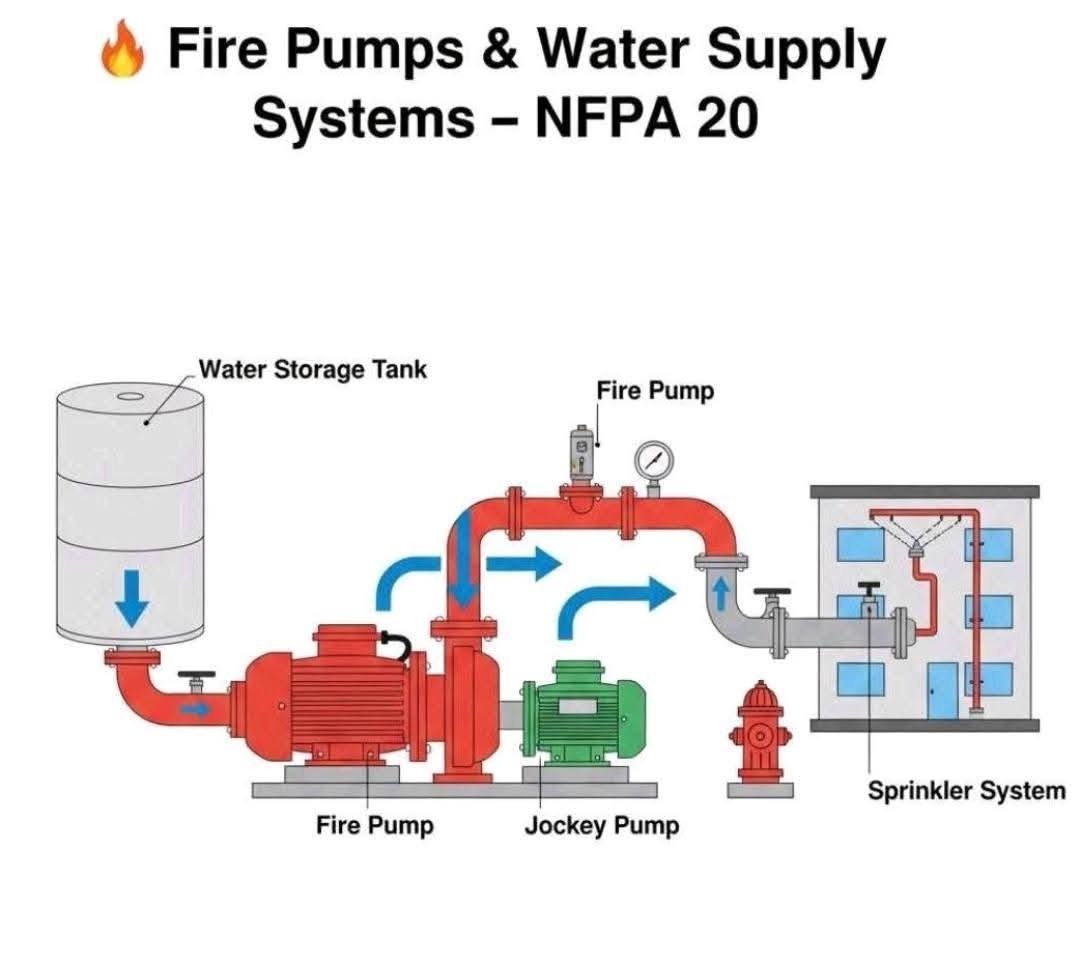
Automatic sprinkler systems detect heat and release water immediately when a fire begins. This helps suppress flames before they spread throughout a building.
Common water-based systems include:
- Automatic sprinkler systems
- Fire hydrants
- Hose reels
- Standpipe systems
These systems are reliable, relatively affordable, and effective for many building types.
For industrial facilities and warehouses, fire hydrant systems are often a minimum safety requirement.
2.Gaseous Fire suppression systems
Water is not always suitable. In environments with sensitive equipment, water discharge can cause significant damage.
Gaseous suppression systems solve this problem. These systems release special gases that suppress fires without leaving residue. In addition, they are commonly installed in data centers, telecom rooms, control panels, and archives.
Common examples include:
- FM-200 systems – absorb heat and extinguish fire quickly
- Inert gas systems – reduce oxygen levels to stop combustion
- CO₂ systems – typically used in unmanned spaces like engine rooms or transformer rooms
3.Fire detection and alarm systems
Detection systems are the first line of defense. They identify smoke or heat early and alert building occupants so evacuation can begin immediately.
Modern buildings use addressable fire alarm systems. These systems allow each detector to be monitored individually from a central control panel. This means safety teams can quickly identify the exact location of a fire.
Advanced buildings may also use aspirating smoke detection systems, which continuously analyze air samples for very early signs of smoke.
Early detection saves lives and reduces damage.
4.Passive fire protection
Passive protection focuses on slowing down fire spread rather than extinguishing it. These systems help maintain structural stability and provide more time for evacuation.
Examples include:
- Fire-rated doors and walls
- Fire-resistant building materials
- Fire-stopping systems in walls and ceilings
Passive fire protection is often overlooked in fast construction projects, but it is essential for overall building safety.
Installation best practices
Even the best fire protection design can fail if installation is poor. Professional installation ensures systems perform correctly during emergencies.
Key best practices include:
- Using certified equipment from recognized manufacturers
- Following international installation standards
- Conducting factory testing for large systems
- Integrating fire alarms with building management systems
Integration allows systems to automatically perform actions during a fire event. For instance:
- Elevators return to the ground floor
- HVAC systems shut down to prevent smoke spread
- Emergency doors unlock for evacuation
Maintenance requirements
Fire protection systems must be maintained regularly.
A system that has not been tested or serviced may fail during a real emergency. Routine maintenance typically includes:
- Annual system inspection and servicing
- Weekly testing of diesel fire pumps
- Monthly checks of fire water tank levels
- Quarterly testing of alarm systems
Maintenance records should always be documented and stored properly.
Insurance companies and safety regulators often review these records during audits.
Proper maintenance ensures the system is always ready to perform.
Fire protection compliance in Africa
Fire safety regulations vary across African countries. There is no single unified fire code for the entire continent. However, many countries reference international standards.
The most widely used standards include those developed by the National Fire Protection Association.
Common examples include:
- NFPA 13 – sprinkler systems
- NFPA 72 – fire alarm systems
- NFPA 2001 – clean agent suppression systems
Some countries also have their own national codes. For example, South Africa uses the SANS 10400-T fire safety code for buildings.
Across East African Community countries, newer standards are also emerging to improve regional fire safety regulations.
Understanding the relevant standards helps ensure buildings remain compliant and insurable.
Practical Recommendations for Building Owners
Fire protection should never be treated as an optional feature.
Building owners and safety officers can improve fire safety by following a few practical steps to reduce fire risks and ensure regulatory compliance.
- Engage a qualified fire protection engineer during the design stage
- Verify that all equipment is certified and approved
- Establish a maintenance contract after installation
- Keep inspection and service records organized
- Understand the fire safety standards that apply to your building
Conclusion
Fire protection systems are essential for modern buildings across Africa.
With rapid urban development and increasing property values, protecting people and infrastructure has never been more important.
Properly designed systems detect fires early, control damage, and support safe evacuation.
By following recognized standards and working with experienced engineers, building owners can create safer environments and protect their investments.
At Certitude Engineering, we support projects across Africa with fire protection design, installation oversight, and compliance management tailored to local conditions.
Investing in fire protection today protects both lives and assets tomorrow.